 Ikigai Daily
Exhibition 02 / Science, scale and hidden systems
What the eye cannot see
Signals, structures and timescales working beyond ordinary perception.
Curatorial premise
02 / 03The invisible is not the unreal. It is often what becomes legible only through instruments, experiments, patient observation or a change of scale.
- Selection
- Editorial
- Structure
- Chaptered
- languages
- EN · TR
Inside the living system
The body is less like a finished object than an active field of repair, circulation, waste removal and change.
 01.1
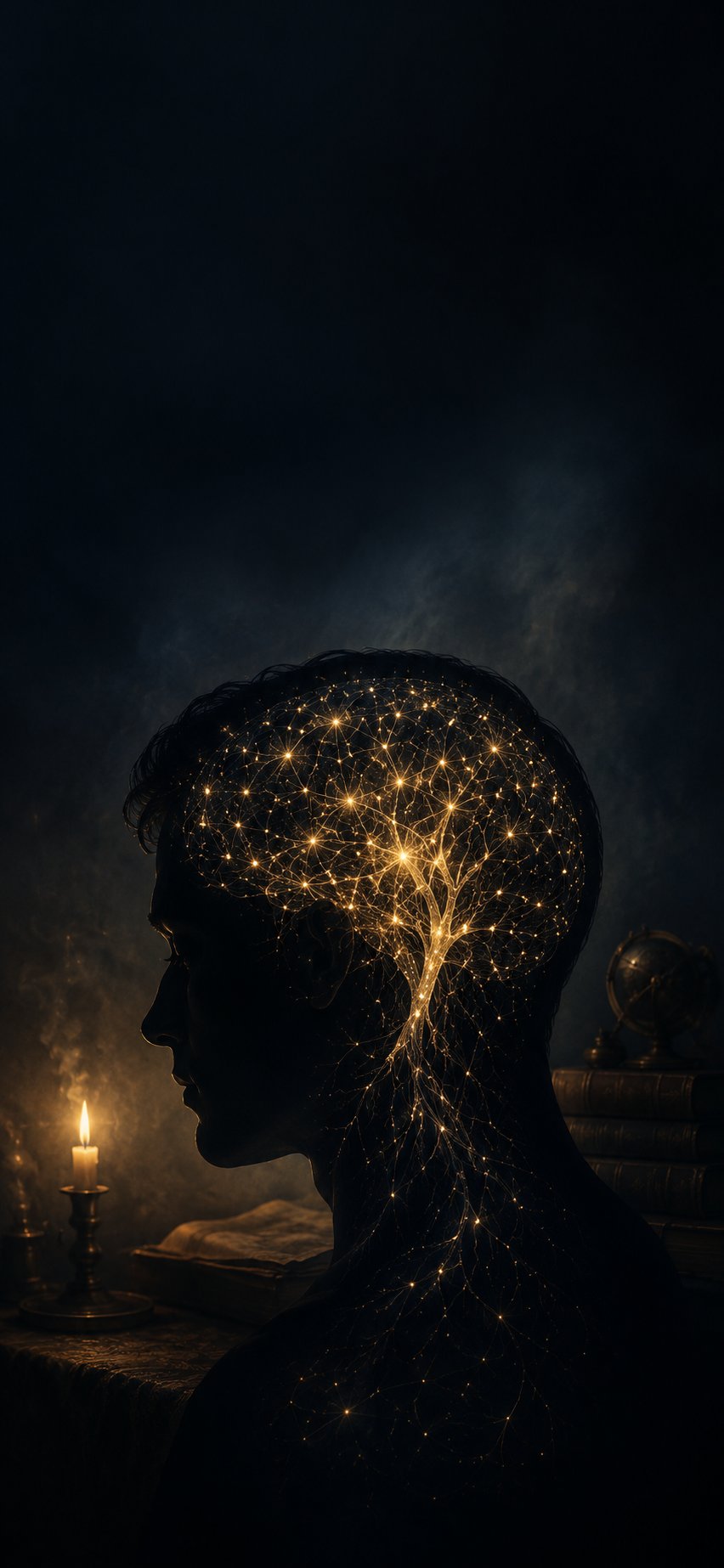
01.1Neuroplasticity means the nervous system can change its activity, structure and connections in response to experience. Adult learning is harder than childhood learning in some ways, but not closed.
Neuroplasticity means the nervous system can change its activity, structure and connections with experience — the biological basis of learning, recovery and lifelong change.
Read the full card 01.2
01.2During deep sleep, the brain's glymphatic system helps clear metabolic waste that builds up while you are awake.
The brain is busy even at rest, and activity leaves by-products. During sleep, fluid movement through brain tissue appears to help clear some waste products more effectively. This does not make sleep a magic cure, but it shows why rest is biological work. The so-what: night is not empty time; it is maintenance time.
Read the full card01.3The human heart beats roughly 100,000 times every day, pumping thousands of litres of blood.
The number is only approximate, because heart rate changes with sleep, stress, fitness and illness. Still, the scale is astonishing: a fist-sized pump quietly keeps blood, oxygen and heat moving every minute of your life.
Read the full cardLives on another clock
A leaf can warn its neighbours. A shark can carry centuries. Life keeps time in more than one way.
 02.1
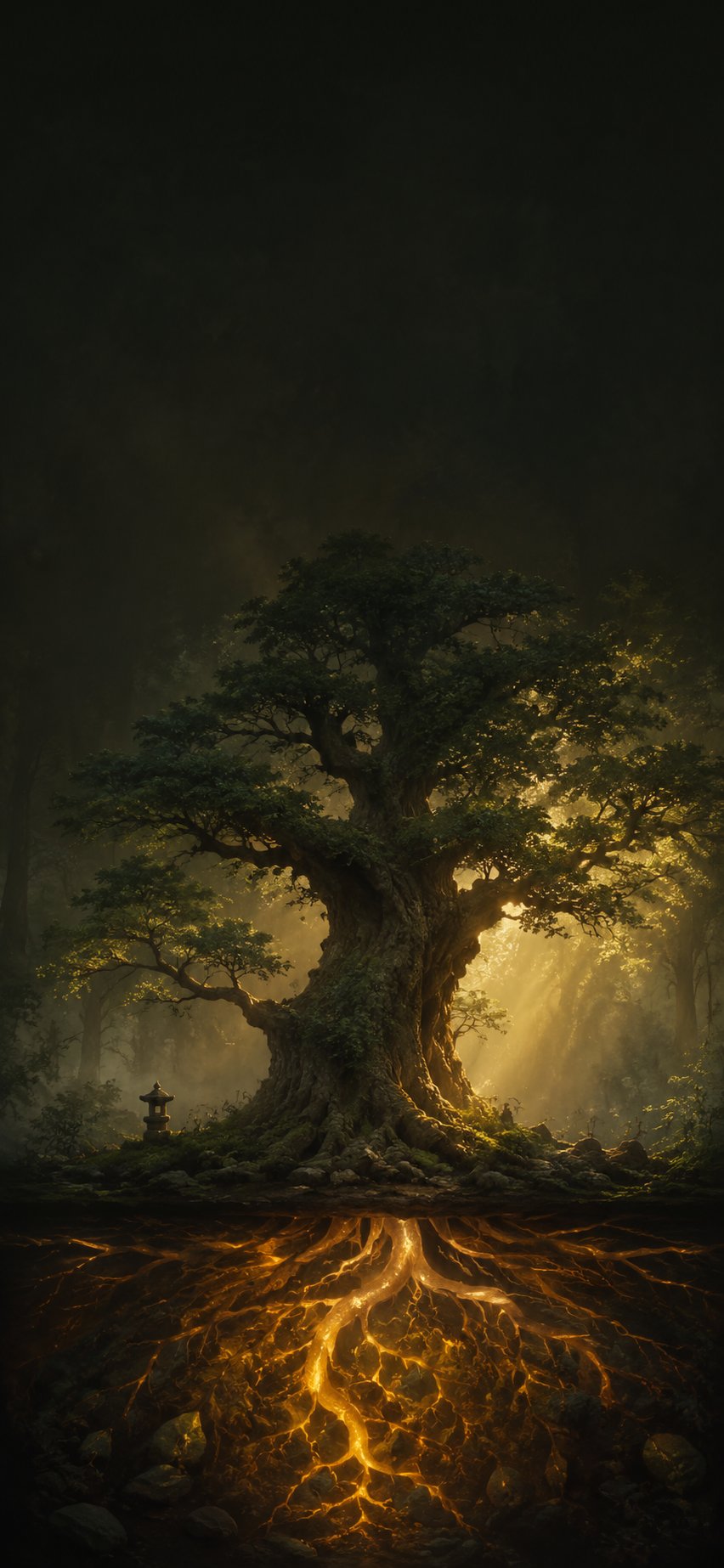
02.1Plants can warn nearby plants with airborne chemical signals, turning a damaged leaf into an alarm for the neighbourhood.
When insects chew some plants, the damaged tissue can release volatile chemicals. Nearby plants may respond by changing their own defences before they are attacked. It is not speech, but it is communication — a reminder that life is full of signals humans do not hear.
Read the full card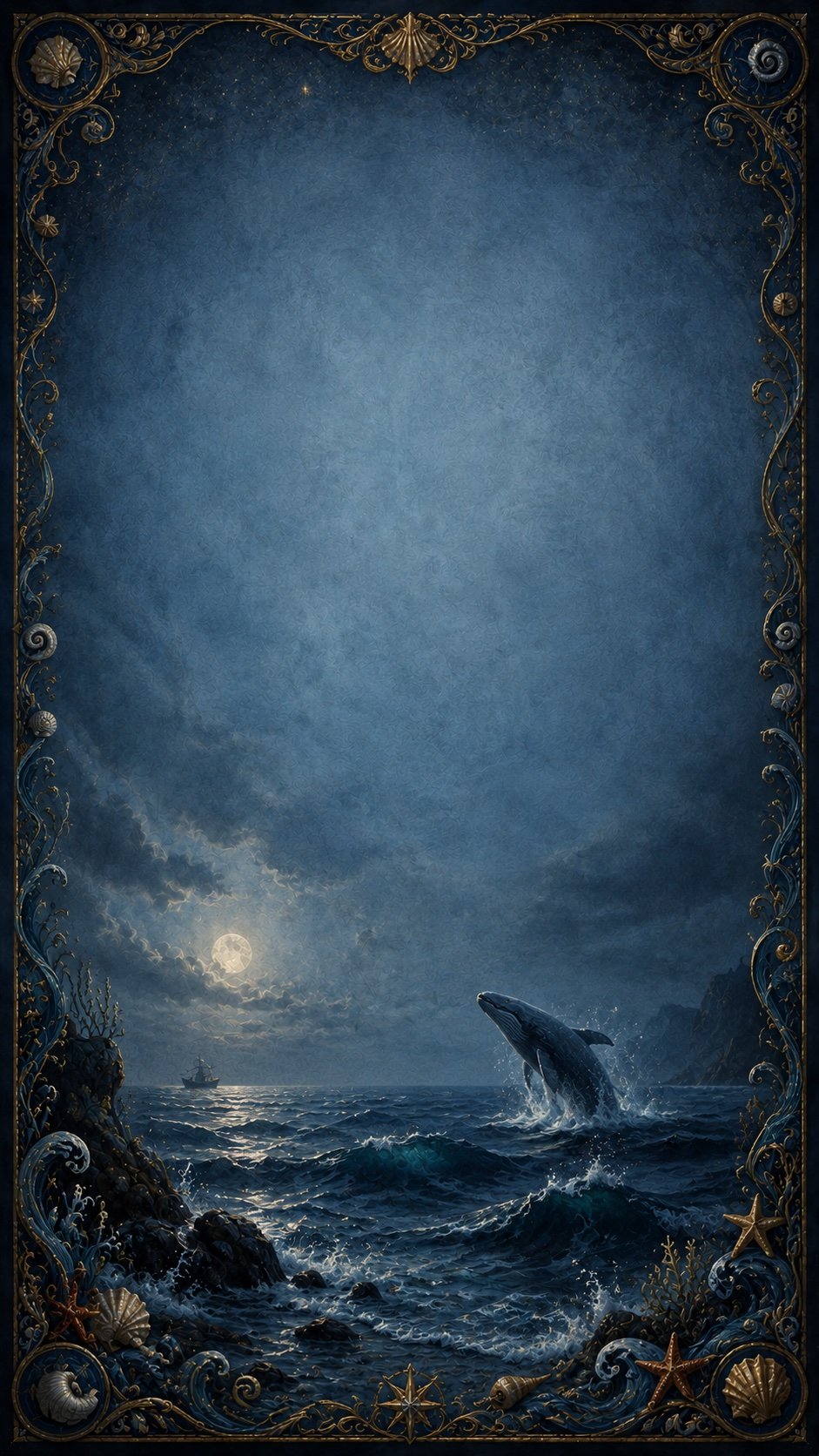 02.2
02.2The Greenland shark is the longest-living vertebrate known, with lifespans estimated at up to about 400 years — meaning some alive today were born before Shakespeare.
Living in the cold, dark Arctic deep, these sharks grow barely a centimetre a year and may not reproduce until around 150 years old. Scientists estimated their age by radiocarbon-dating the lenses of their eyes. A creature that measures its life in centuries is a quiet argument for patience: some things simply cannot be hurried into being.
Read the full cardWhere intuition breaks
At quantum scale, ordinary categories stop behaving politely. Experiment becomes the discipline of seeing what intuition cannot supply.
 03.1
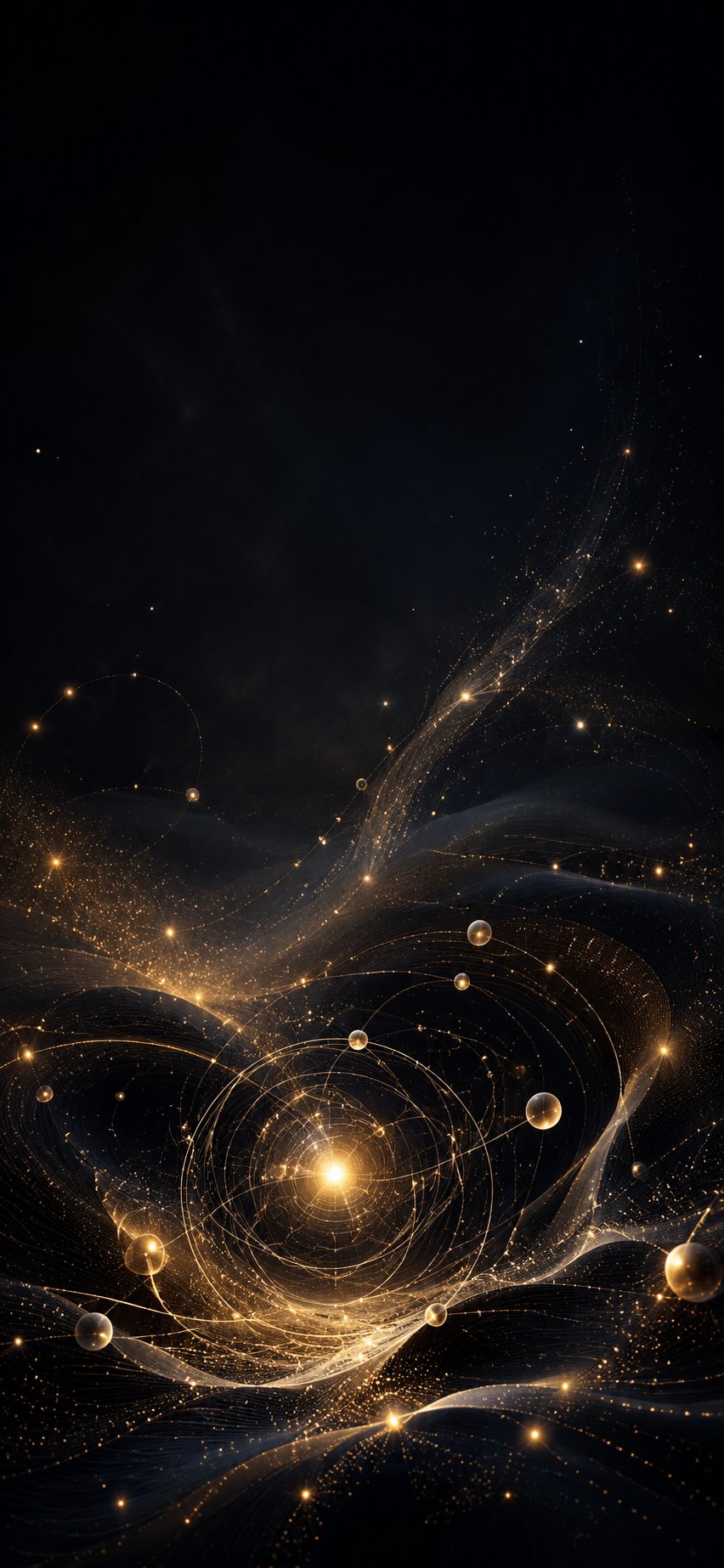
03.1The double-slit experiment shows that light and matter can behave like waves and particles, depending on how the experiment is arranged.
Send light, electrons or other tiny particles through two slits and the pattern can look wave-like; measure which path they take and the pattern changes. The experiment matters because it makes quantum weirdness visible in a simple setup. It teaches caution: the way you ask a question can shape the answer you get.
Read the full card03.2Quantum behaviour can appear in engineered electrical circuits large enough to be physical devices, not only in isolated particles.
Superconducting circuits can behave as quantum systems when cooled and isolated carefully enough. This is one route towards quantum computers, where fragile effects must be protected from everyday noise. The so-what is modern: quantum physics is not only a strange theory of tiny things; it is becoming hardware people can build.
Read the full cardWonder begins where certainty becomes a method rather than a mood.Next exhibitionThe past is still here