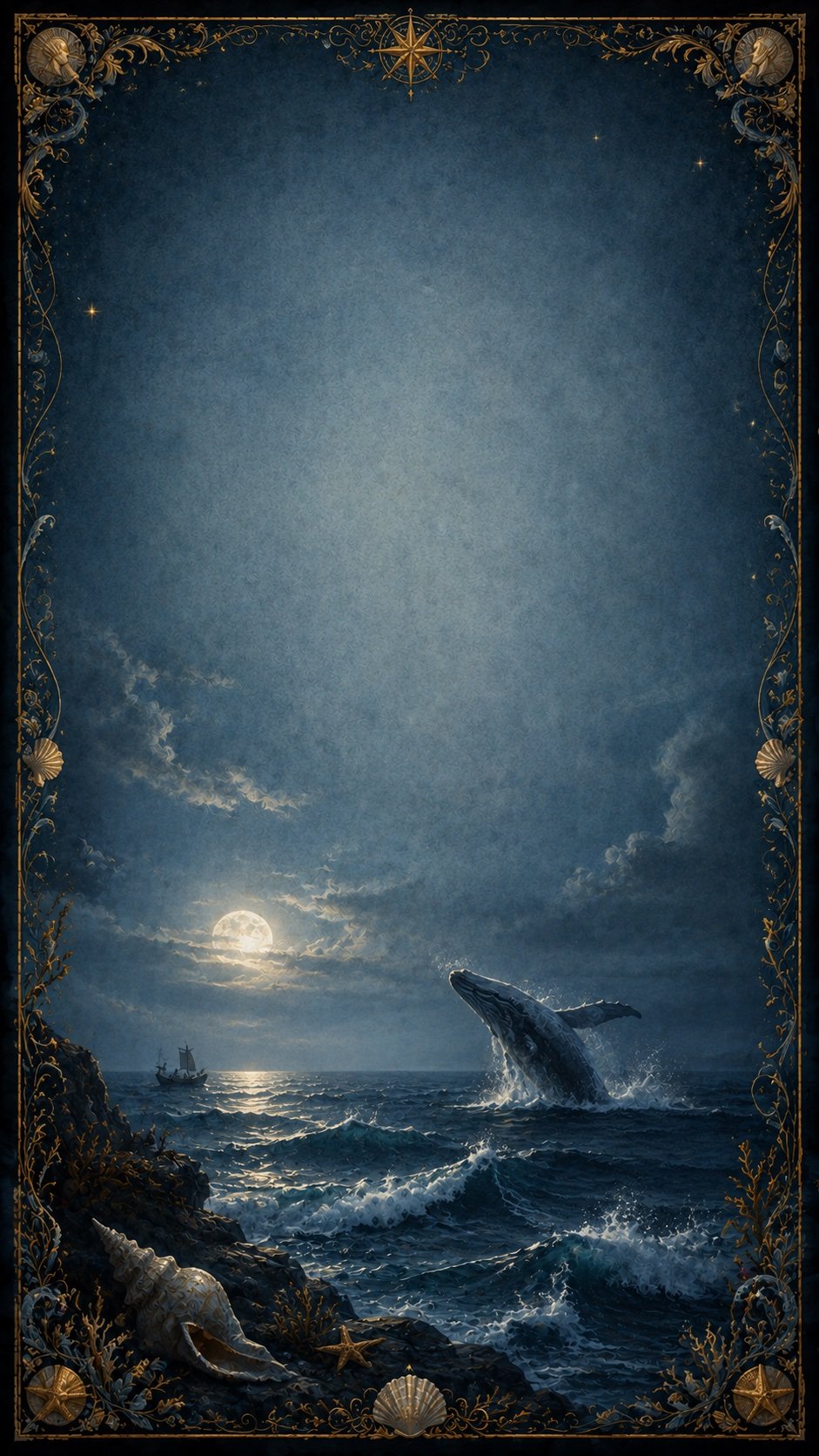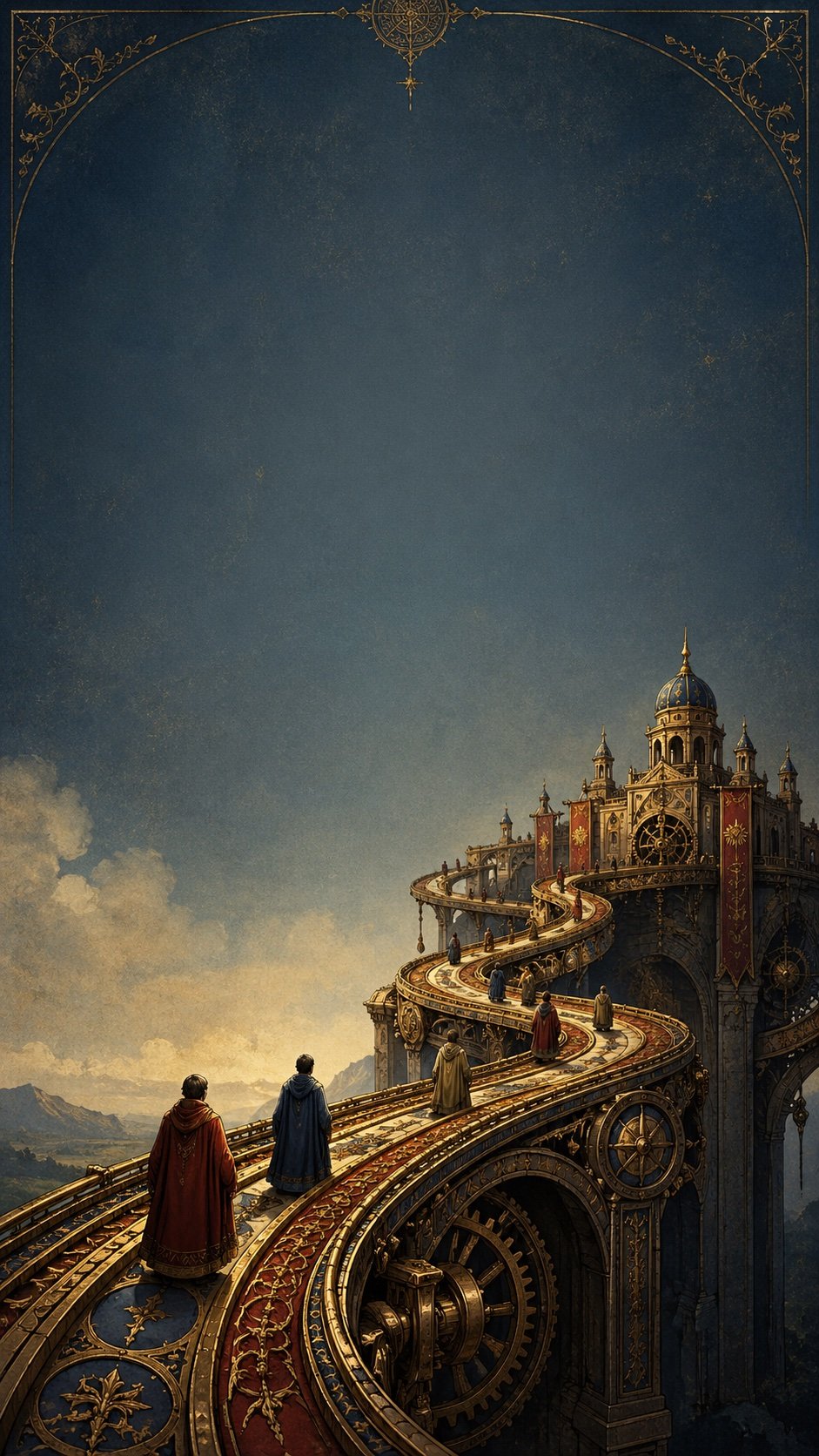
Occam's razor, named after the 14th-century English friar William of Ockham, advises that when two explanations fit the evidence equally well, the one that needs fewer assumptions is the better place to start.
Philosophy
The story behind the card
William of Ockham (c. 1287–1347) was an English Franciscan friar and one of the leading logicians of the Middle Ages. He used the principle so often and so effectively that it became tied to his name, although he did not invent it: Aristotle had argued something similar. The famous Latin wording, “entities must not be multiplied beyond necessity”, does not appear in his surviving writings; an Irish friar, John Punch, put it that way in 1639. The “razor” is the image of shaving away assumptions an explanation does not need. The rule is a guide, not a proof, and sometimes the truth really is complicated. Medical students learn a version of it: when you hear hoofbeats, think of horses, not zebras.
Türkçe oku
Ockham'ın usturası, kanıtlara aynı ölçüde uyan iki açıklamadan daha az varsayım gerektirenle işe başlamayı öğütler. İlke adını 14. yüzyılda yaşamış İngiliz keşiş Ockhamlı William'dan alır.
Ockhamlı William (yaklaşık 1287–1347), Fransisken tarikatından bir İngiliz keşiş ve Orta Çağ'ın önde gelen mantıkçılarından biriydi. İlkeyi o kadar sık ve ustaca kullandı ki ilke onun adıyla anılır oldu. Oysa ilkeyi o bulmamıştı; benzer bir düşünceyi Aristoteles de savunmuştu. “Varlıklar gereğinden fazla çoğaltılmamalıdır” diye bilinen ünlü Latince kalıp da Ockham'ın günümüze ulaşan yazılarında geçmez; bu sözü 1639'da İrlandalı keşiş John Punch yazmıştır. “Ustura” benzetmesi, bir açıklamanın ihtiyaç duymadığı varsayımları tıraş edip atmayı anlatır. İlke bir kanıt değil, bir yol göstericidir; doğru açıklama bazen gerçekten karmaşıktır. Tıp öğrencilerine de bunun bir benzeri öğretilir: Toynak sesi duyduğunuzda zebrayı değil, atı düşünün.