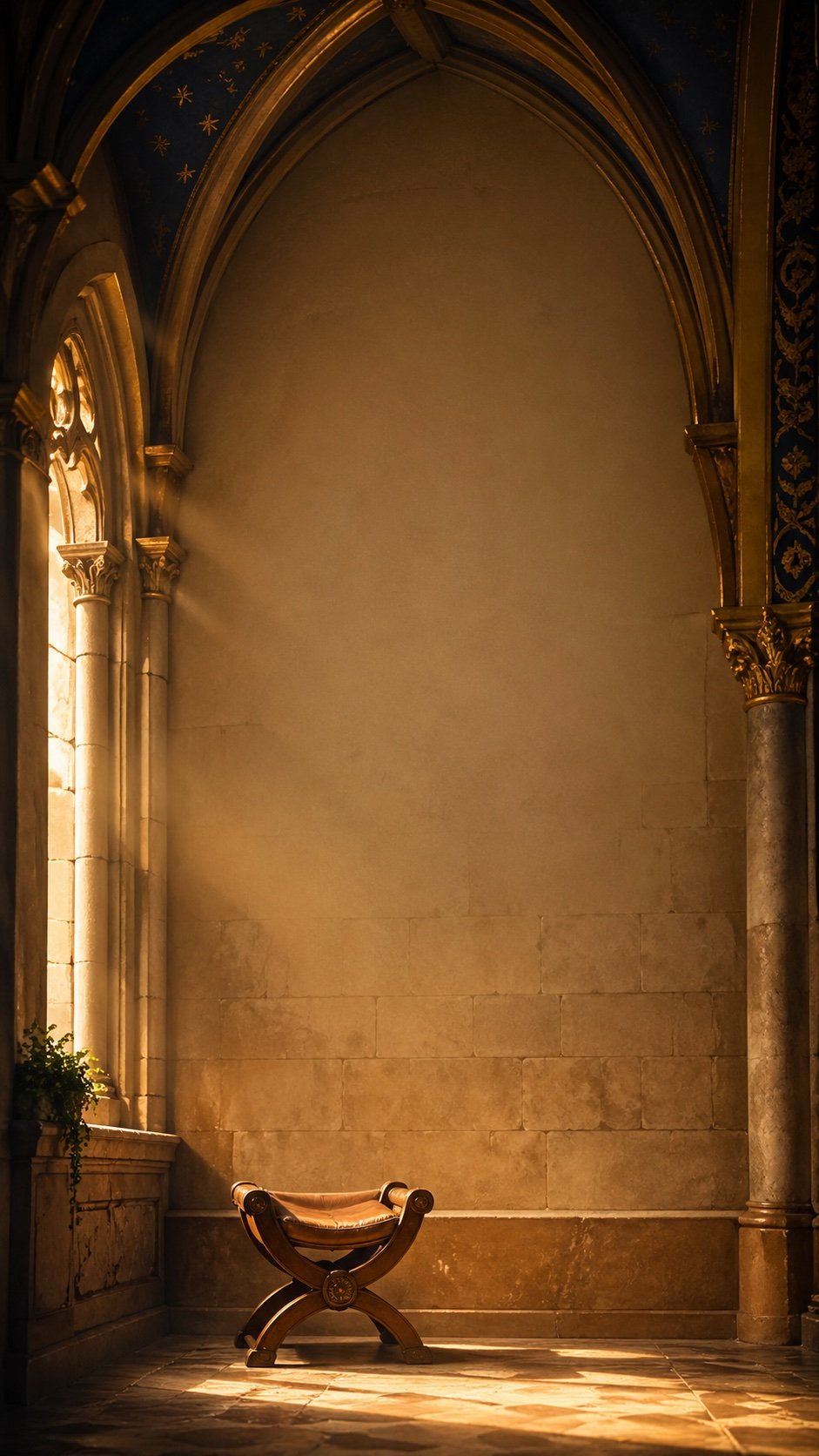
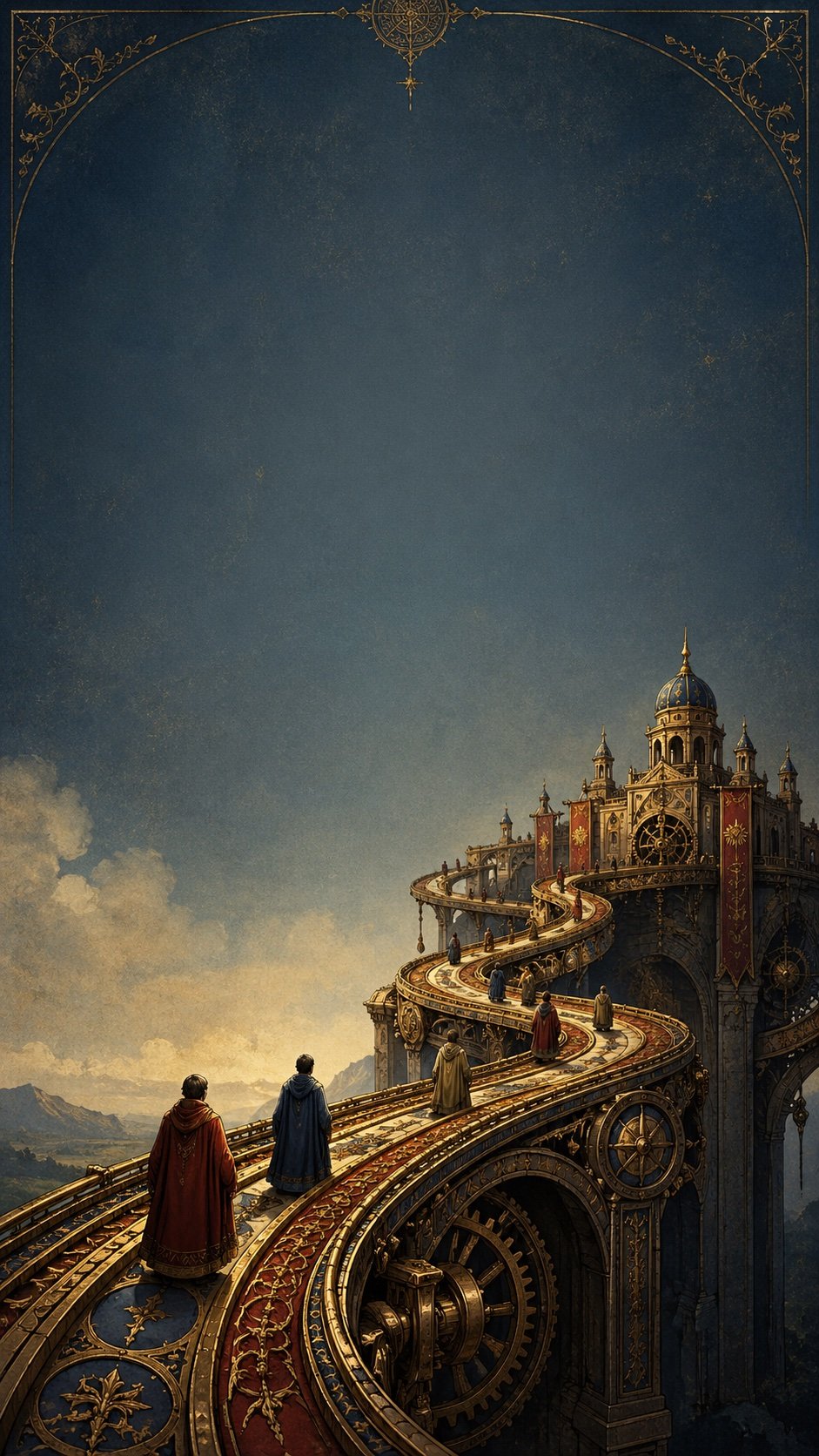
Seek not that the things which happen should happen as you wish; but wish the things which happen to be as they are, and you will have a tranquil flow of life.
Epictetus, Enchiridion, chapter 8
The story behind the card
Epictetus (c. 50–135) was born a slave in Hierapolis, the ancient city beside today's Pamukkale in Turkey. He studied Stoic philosophy in Rome, was freed and began teaching, and after the emperor Domitian banished philosophers from Rome he ran a school at Nicopolis in north-western Greece. He wrote nothing himself. His pupil Arrian recorded his talks and gathered the most practical lessons into the Enchiridion, Greek for 'handbook': 53 short chapters meant to be kept close at hand. The book opens by dividing things into those in our power, such as our judgements and choices, and those that are not, such as other people, reputation and events. This line, in George Long's Victorian translation, applies that idea. Epictetus still expected people to act; what he asked was that their peace of mind should not depend on how things turn out.
Türkçe oku
Olup bitenlerin senin istediğin gibi olmasını isteme; olduğu gibi olmasını iste. O zaman hayatın huzur içinde akar.Epiktetos, El Kitabı (Enkheiridion), 8. bölüm
Epiktetos (MS 50–135 dolayları), bugünkü Pamukkale'nin yanı başındaki antik Hierapolis kentinde köle olarak doğdu. Roma'da Stoa felsefesini öğrendi, özgürlüğüne kavuşunca ders vermeye başladı; İmparator Domitianus filozofları Roma'dan sürünce Yunanistan'ın kuzeybatısındaki Nikopolis'te bir okul açtı. Kendisi hiç yazı bırakmadı. Derslerini öğrencisi Arrianos not aldı; en pratik öğütleri de “el kitabı” anlamına gelen Enkheiridion'da topladı. Kitap, her an el altında bulunsun diye derlenmiş 53 kısa bölümden oluşur ve şeyleri ikiye ayırarak başlar: Yargılarımız ve seçimlerimiz gibi elimizde olanlar; başkaları, ün ve olaylar gibi elimizde olmayanlar. Karttaki söz, George Long'un 19. yüzyıl İngilizce çevirisinden aktarılmıştır ve bu ayrımı uygular. Epiktetos yine de insanın harekete geçmesini bekler; istediği, iç huzurunun işlerin nasıl sonuçlanacağına bağlı olmamasıdır.