Why it matters
The idea in context
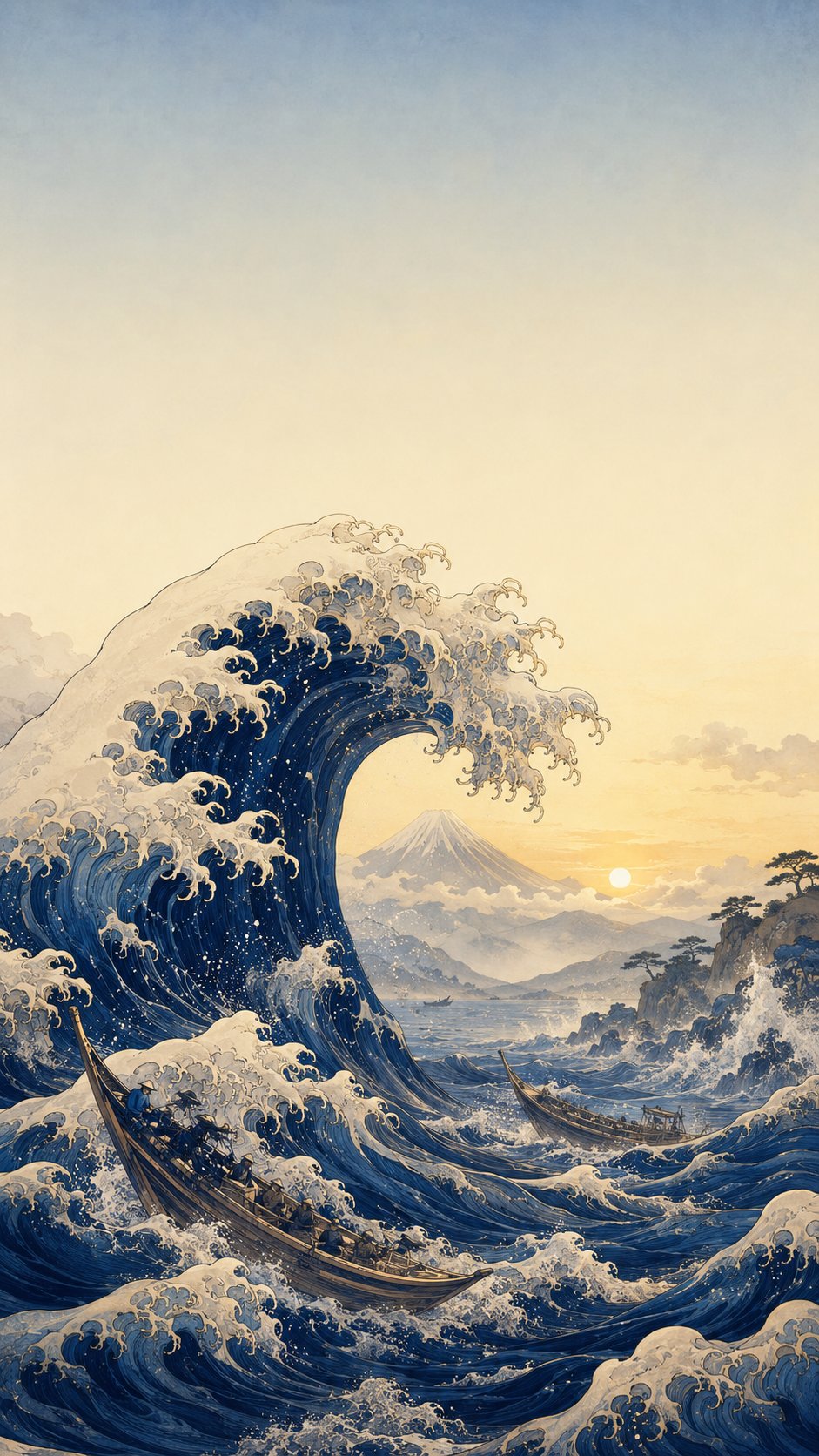
Van Gogh copied prints by Hiroshige outright to learn from them; Monet filled his house with them. Ways of composing a picture that had felt like laws in Europe — deep perspective, careful shading — suddenly looked like just one option among many. A whole tradition was loosened by images arriving, almost by accident, from the other side of the world.
Türkçe
Aynı kart, başka bir dilde.
Ucuz Japon ağaç baskıları 19. yüzyıl Avrupa'sına ulaştığında, Van Gogh ve Monet gibi sanatçılar bunların düz renklerinden, cüretkâr çerçevelemesinden ve gündelik konularından etkilendi — ve kendi işleri değişti.
Van Gogh, öğrenmek için Hiroshige'nin baskılarını olduğu gibi kopyaladı; Monet evini onlarla doldurdu. Avrupa'da yasa gibi hissettiren resim kurma biçimleri — derin perspektif, özenli gölgeleme — birden pek çok seçenekten yalnızca biri gibi göründü. Koca bir gelenek, neredeyse tesadüfen dünyanın öbür ucundan gelen imgelerle gevşedi.
Source trail
Read beyond the card.
Japonisme; Van Gogh copied Hiroshige prints, Monet collected ukiyo-e; major influence on Impressionism/Post-Impressionism.
Background reading: JaponismeAttribution and context are revised when stronger evidence appears. Corrections are welcome through the editorial page.