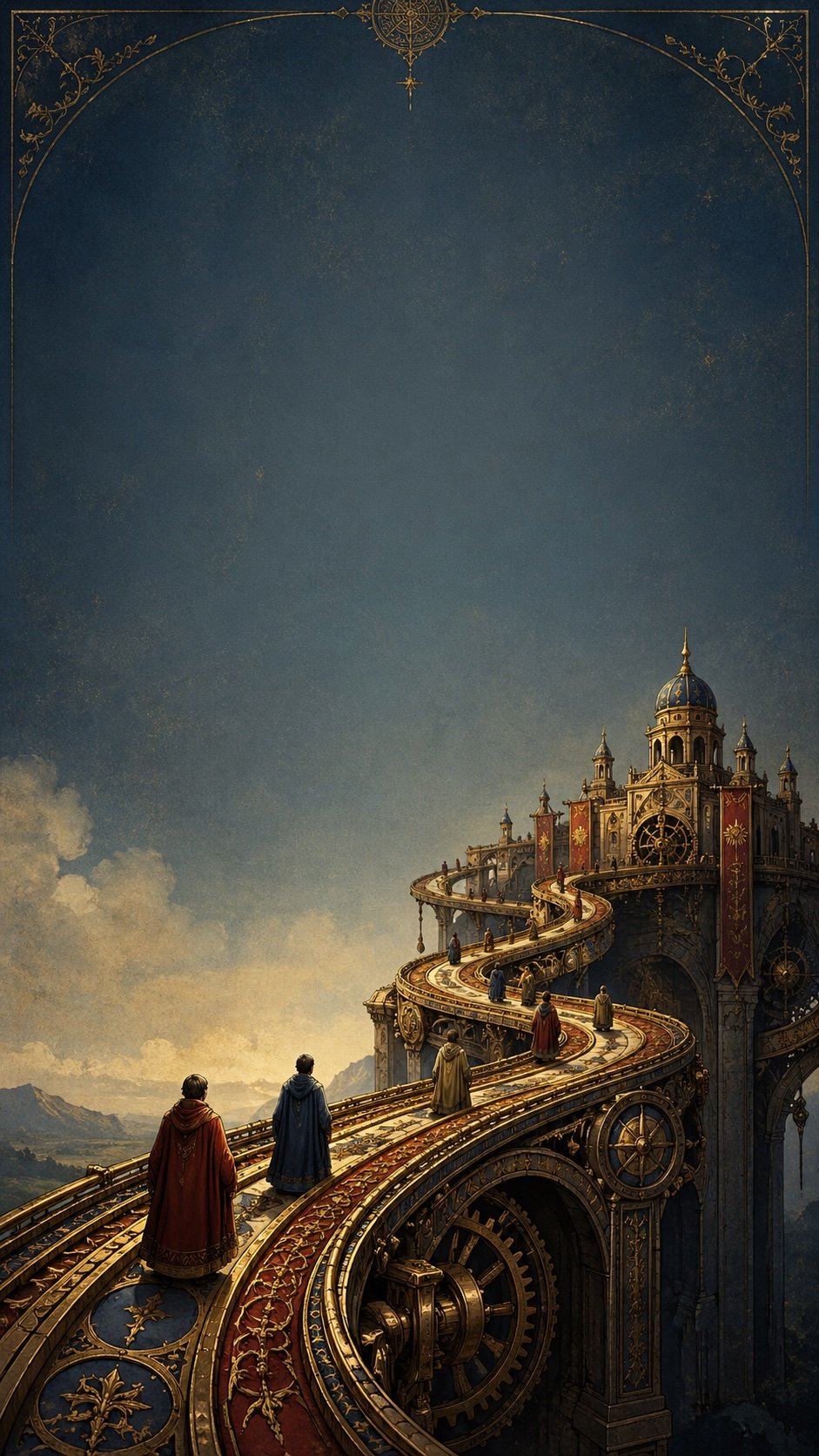
Man is born free, and everywhere he is in chains.
Jean-Jacques Rousseau, The Social Contract (1762)
The story behind the card
Rousseau, the Geneva-born philosopher of the Enlightenment, opens the first chapter of The Social Contract (1762) with this line. His real question comes next: what could make such an arrangement legitimate? The book argues that people remain free when they obey laws they have made together, through what he called the “general will”. It was banned in Geneva and Paris soon after it appeared, and later inspired the French revolutionaries.
Türkçe oku
İnsan özgür doğar, ama her yerde zincire vurulmuştur.Jean-Jacques Rousseau, Toplum Sözleşmesi (1762)
Cenevre doğumlu Aydınlanma filozofu Rousseau, Toplum Sözleşmesi'nin (1762) ilk bölümünü bu cümleyle açar. Asıl sorusu hemen ardından gelir: Böyle bir düzeni meşru kılan ne olabilir? Kitaba göre insanlar, hep birlikte koydukları yasalara uydukları sürece özgür kalır; Rousseau bu ortak iradeye “genel irade” der. Kitap yayımlandıktan kısa süre sonra Cenevre'de ve Paris'te yasaklandı, sonra da Fransız devrimcilerine ilham verdi.