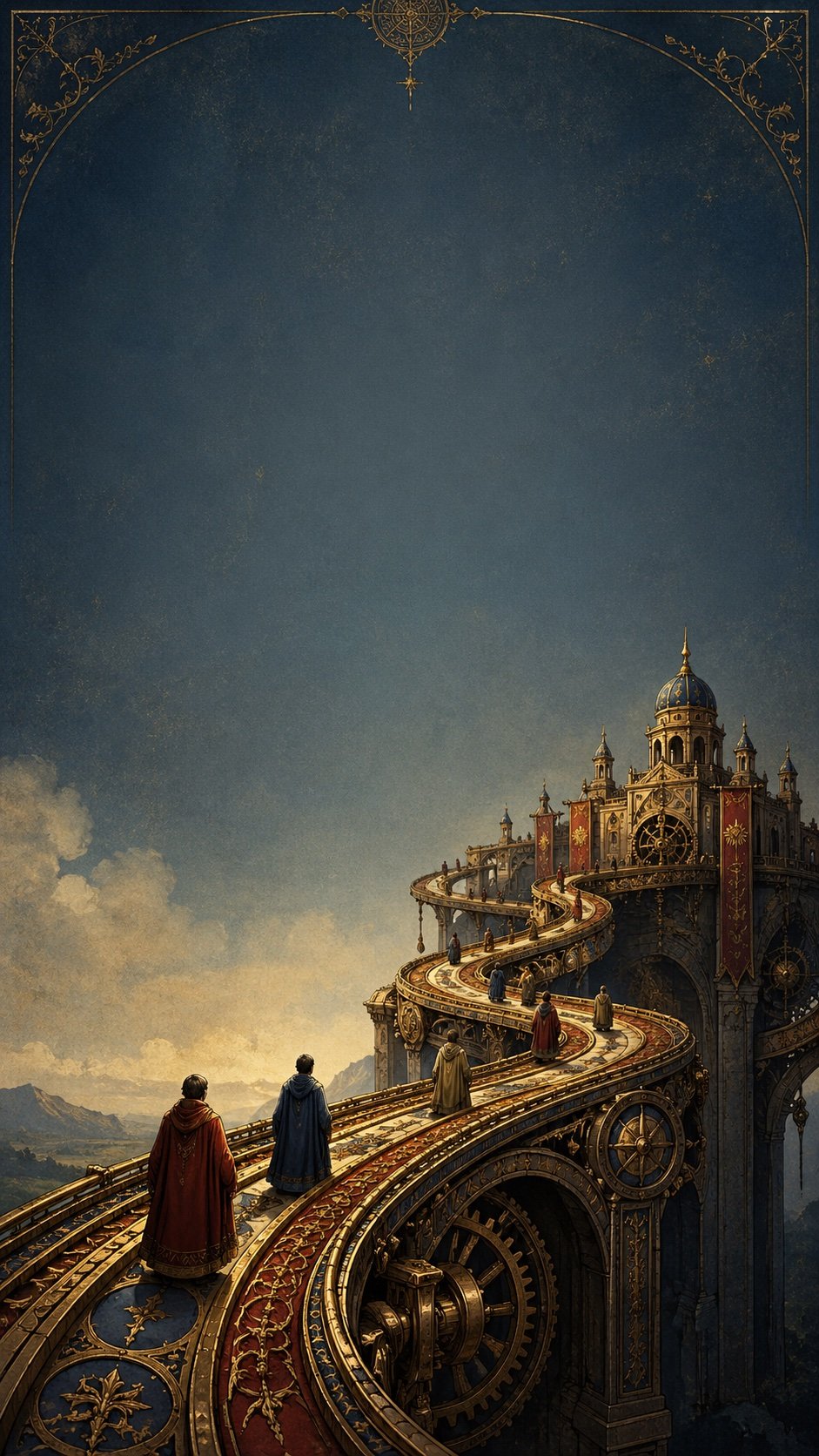
A single colour can change its whole character depending only on the colours placed beside it.
Josef Albers, Interaction of Color (1963)
The story behind the card
The painter and teacher Josef Albers (1888–1976) built a whole course around this idea. He studied and taught at the Bauhaus, the German art and design school, and after it closed under Nazi pressure in 1933 he moved to the United States, teaching at Black Mountain College and, from 1950, at Yale. His 1963 book Interaction of Color turned his classroom exercises into a method still taught today, and his painting series Homage to the Square explores how nested squares change each other's colour. The effect itself, called simultaneous contrast, was described by the French chemist Michel Eugène Chevreul in 1839: the same grey looks warmer beside blue and cooler beside orange.
Türkçe oku
Aynı renk, yalnızca yanına konan renkler değişti diye bambaşka görünebilir.Josef Albers, Interaction of Color (1963)
Ressam ve öğretmen Josef Albers (1888–1976), bütün bir dersi bu fikrin üzerine kurdu. Almanya'daki ünlü sanat ve tasarım okulu Bauhaus'ta önce öğrenci, sonra öğretmen oldu. Okul 1933'te Nazi baskısıyla kapanınca Amerika Birleşik Devletleri'ne göç etti; Black Mountain College'da, 1950'den sonra da Yale'de ders verdi. 1963'te yayımlanan Interaction of Color (Rengin Etkileşimi) kitabı, sınıftaki alıştırmalarını bugün de öğretilen bir yönteme dönüştürdü. Homage to the Square (Kareye Saygı) resim dizisinde iç içe karelerin birbirinin rengini nasıl değiştirdiğini araştırdı. Eşzamanlı karşıtlık denen bu etkiyi ilk kez 1839'da Fransız kimyager Michel Eugène Chevreul tanımlamıştı: Aynı gri, mavinin yanında daha sıcak, turuncunun yanında daha soğuk görünür.