Why it matters
The idea in context
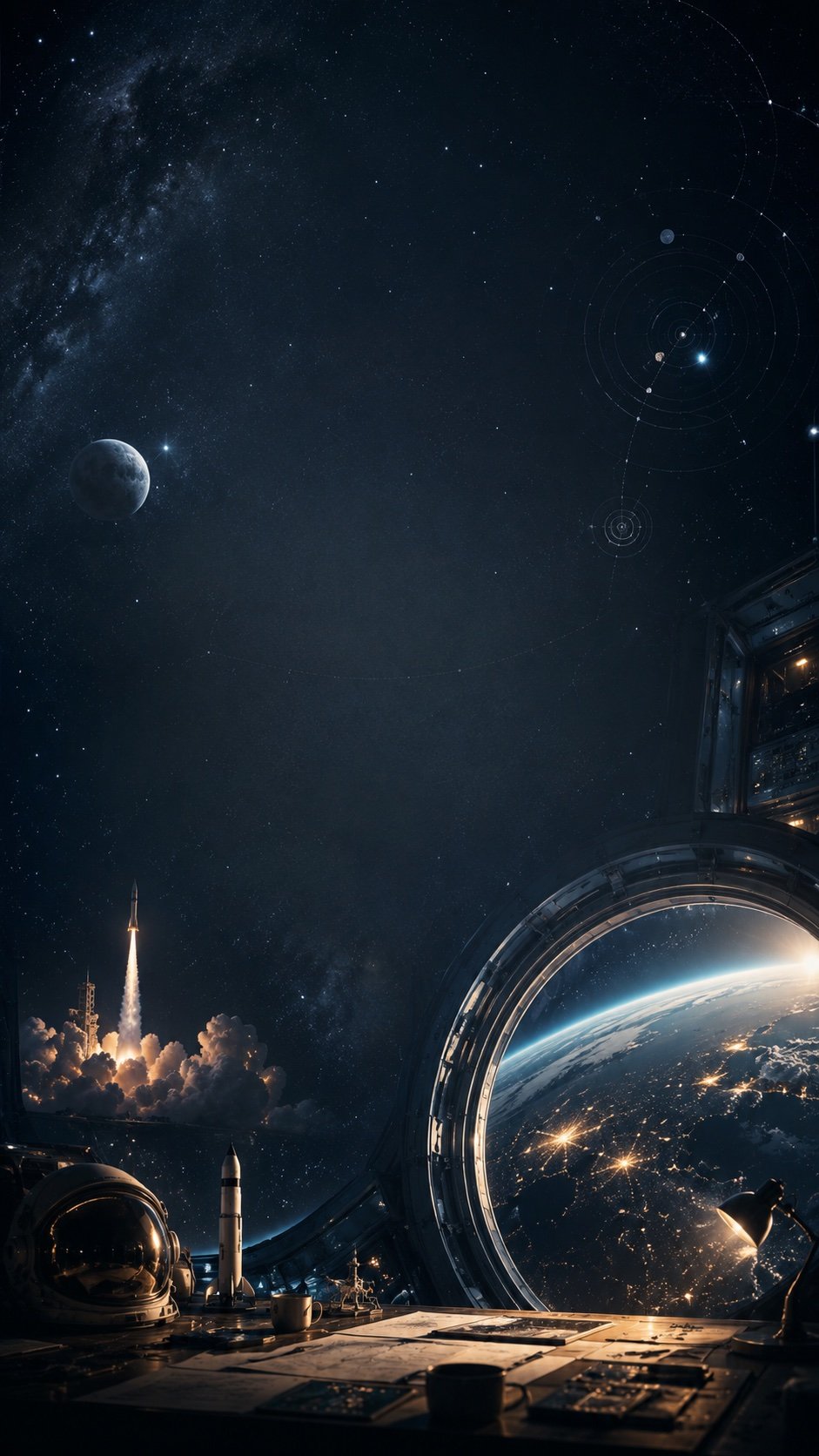
The term was coined by the writer Frank White in 1987 after interviewing astronauts who kept describing the same shift. Accounts recur across nationalities and decades: a strong feeling of connection, an impatience with conflict, and a lasting protectiveness towards the planet. Several astronauts have returned to become environmental campaigners. Psychologists have since studied it as a form of awe — a state that reliably makes people feel smaller and more generous at the same time.
Türkçe
Aynı kart, başka bir dilde.
Birçok astronot, Dünya'yı uzaydan görünce aynı deneyimi aktarıyor: Gezegenin küçük, kırılgan ve görünür sınırlardan yoksun olduğuna dair ani ve bunaltıcı bir duygu. Araştırmacılar buna genel görünüm etkisi diyor.Genel görünüm etkisi
Terimi, aynı değişimi anlatıp duran astronotlarla görüşen yazar Frank White 1987'de ortaya attı. Anlatılar uluslar ve on yıllar boyunca yineleniyor: Güçlü bir bağlılık duygusu, çatışmaya karşı bir sabırsızlık ve gezegene yönelik kalıcı bir koruma isteği. Birkaç astronot dönüşte çevre savunucusu oldu. Psikologlar bunu o zamandan beri bir huşu biçimi olarak inceliyor — insanı aynı anda hem daha küçük hem daha cömert hissettiren güvenilir bir hâl.
Source trail