Why it matters
The idea in context
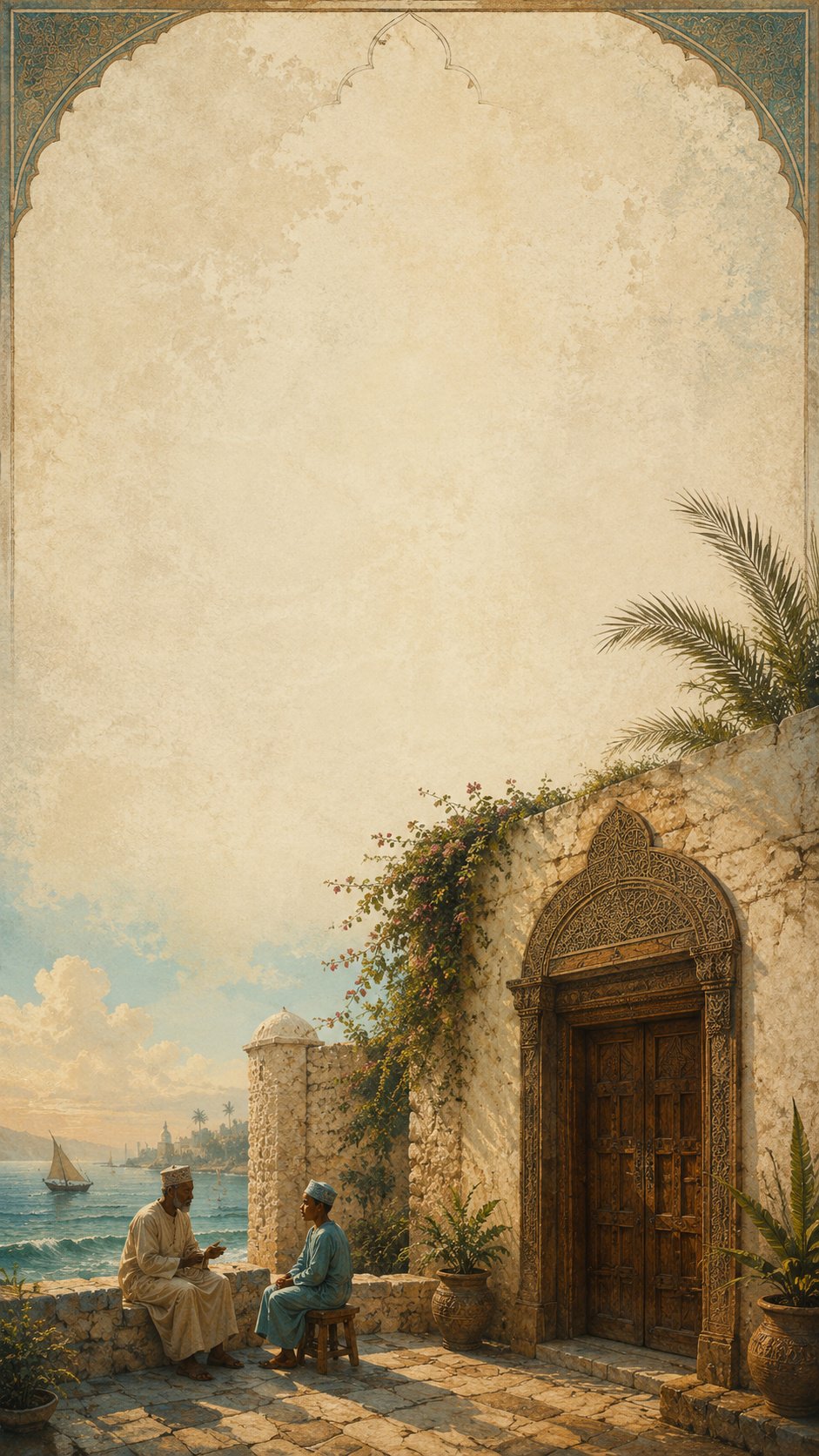
The Indian Ocean was less a barrier than a breathing system. Sailors learned that winds reversed with the seasons, turning navigation into timing. Dhows, ports and merchant families carried spices, textiles, ceramics, languages and beliefs across water in routes that were practical and cosmopolitan at once. The sea did not erase local cultures; it gave them harbours in one another.
Türkçe
Aynı kart, başka bir dilde.
Hint Okyanusu ticareti, mevsimlik muson rüzgarlarını kullanarak Doğu Afrika'yı, Arabistan'ı, Hindistan'ı, Güneydoğu Asya'yı ve Çin'i limanlar, gemiler ve ortak bilgiyle bağladı.Muson ticaret ağları
Hint Okyanusu bir engelden çok nefes alan bir sistemdi. Denizciler rüzgarların mevsimlerle yön değiştirdiğini öğrendi; böylece seyir, zamanlamaya dönüştü. Dhowlar, limanlar ve tüccar aileleri baharatları, kumaşları, seramikleri, dilleri ve inançları su üzerinden taşıdı; rotalar aynı anda hem pratik hem kozmopolitti. Deniz yerel kültürleri silmedi; onlara birbirlerinin içinde limanlar açtı.
Source trail