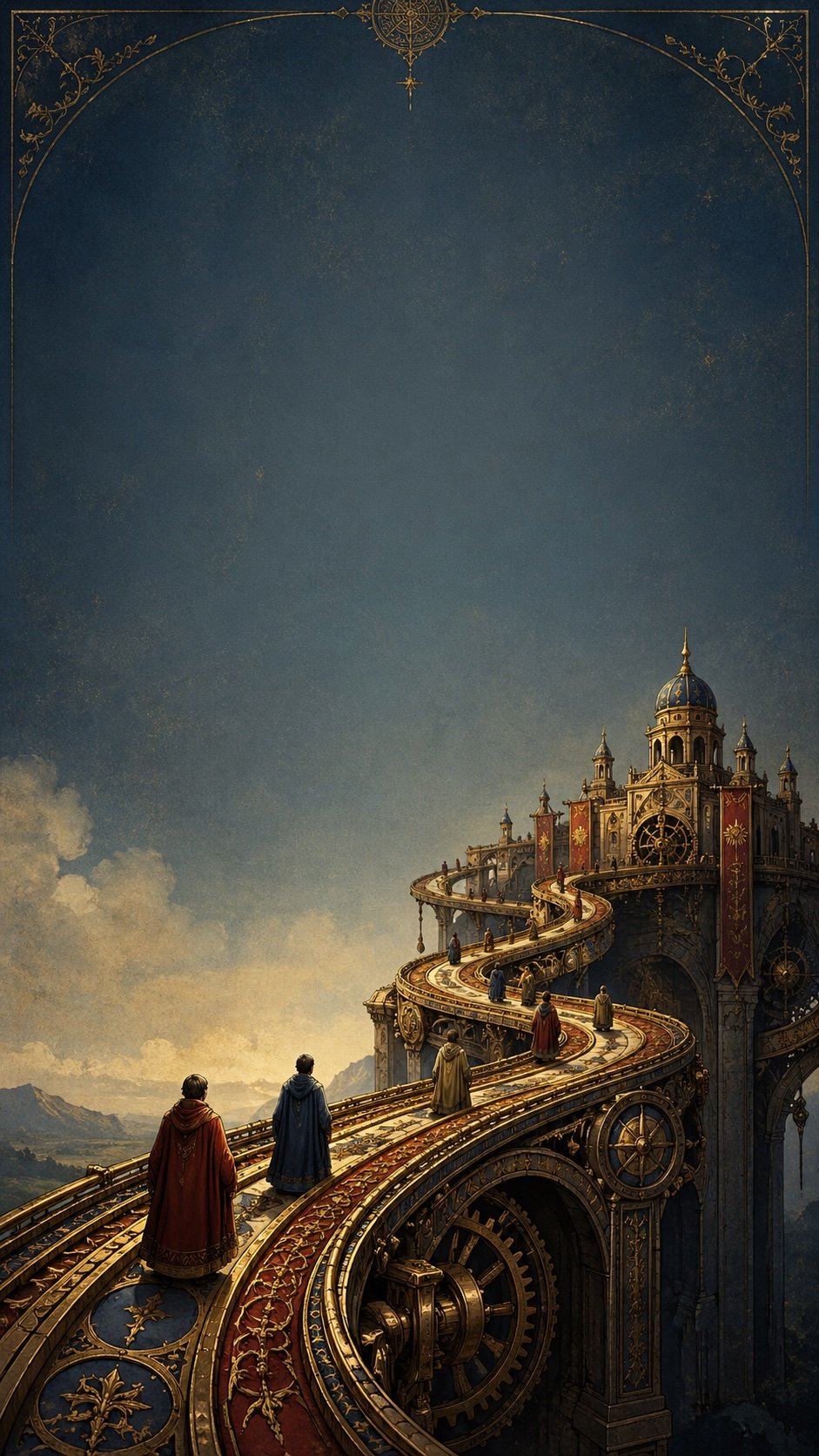
Maurice Ravel wrote Boléro in 1928 as one long orchestral crescendo, a steady rise in volume built on obsessive repetition. He reportedly told the composer Arthur Honegger, “I've written only one masterpiece: Boléro. Unfortunately, there's no music in it,” a dry joke about the piece's deliberately limited material.
Maurice Ravel
The story behind the card
Boléro was written as ballet music for the dancer Ida Rubinstein and first performed at the Paris Opéra on 22 November 1928. Two long melodies repeat again and again over an unchanging snare-drum rhythm, while Ravel adds instruments and volume until a sudden change of key near the end. He described it as an experiment, a piece of orchestral colour with almost no musical invention, and was surprised when it became his most popular work. From the late 1920s Ravel suffered from a progressive brain disease that took away his ability to write and, later, to compose. Some neurologists have wondered whether Boléro's repetition was an early sign of it; no autopsy was done after his death in 1937, so this remains speculation.
Türkçe oku
Maurice Ravel 1928'de yazdığı Boléro'yu, aynı ezgilerin durmadan tekrarlandığı ve orkestranın giderek yükseldiği tek bir uzun yükseliş olarak kurdu. Besteci Arthur Honegger'e “Tek bir başyapıt yazdım: Boléro. Ne yazık ki içinde müzik yok” dediği anlatılır. Bu iğneleyici şaka, eserin bilerek çok az müzikal malzemeyle yazılmasına gönderme yapar.
Boléro, dansçı Ida Rubinstein için bale müziği olarak yazıldı ve ilk kez 22 Kasım 1928'de Paris Operası'nda seslendirildi. İki uzun ezgi, hiç değişmeyen bir trampet ritminin üzerinde tekrar tekrar çalınır; Ravel her seferinde yeni çalgılar ekleyerek sesi büyütür ve sona doğru ton birden değişir. Ravel eseri, neredeyse hiç müzikal buluş içermeyen bir orkestra rengi denemesi olarak tanımladı ve en çok sevilen eseri olmasına şaşırdı. 1920'lerin sonundan itibaren Ravel'de, önce yazma, sonra beste yapma yeteneğini elinden alan ilerleyici bir beyin hastalığı başladı. Bazı nörologlar Boléro'daki tekrarların bu hastalığın erken bir belirtisi olup olmadığını sorgulamıştır; 1937'deki ölümünün ardından otopsi yapılmadığı için bu bir tahmin olarak kalıyor.