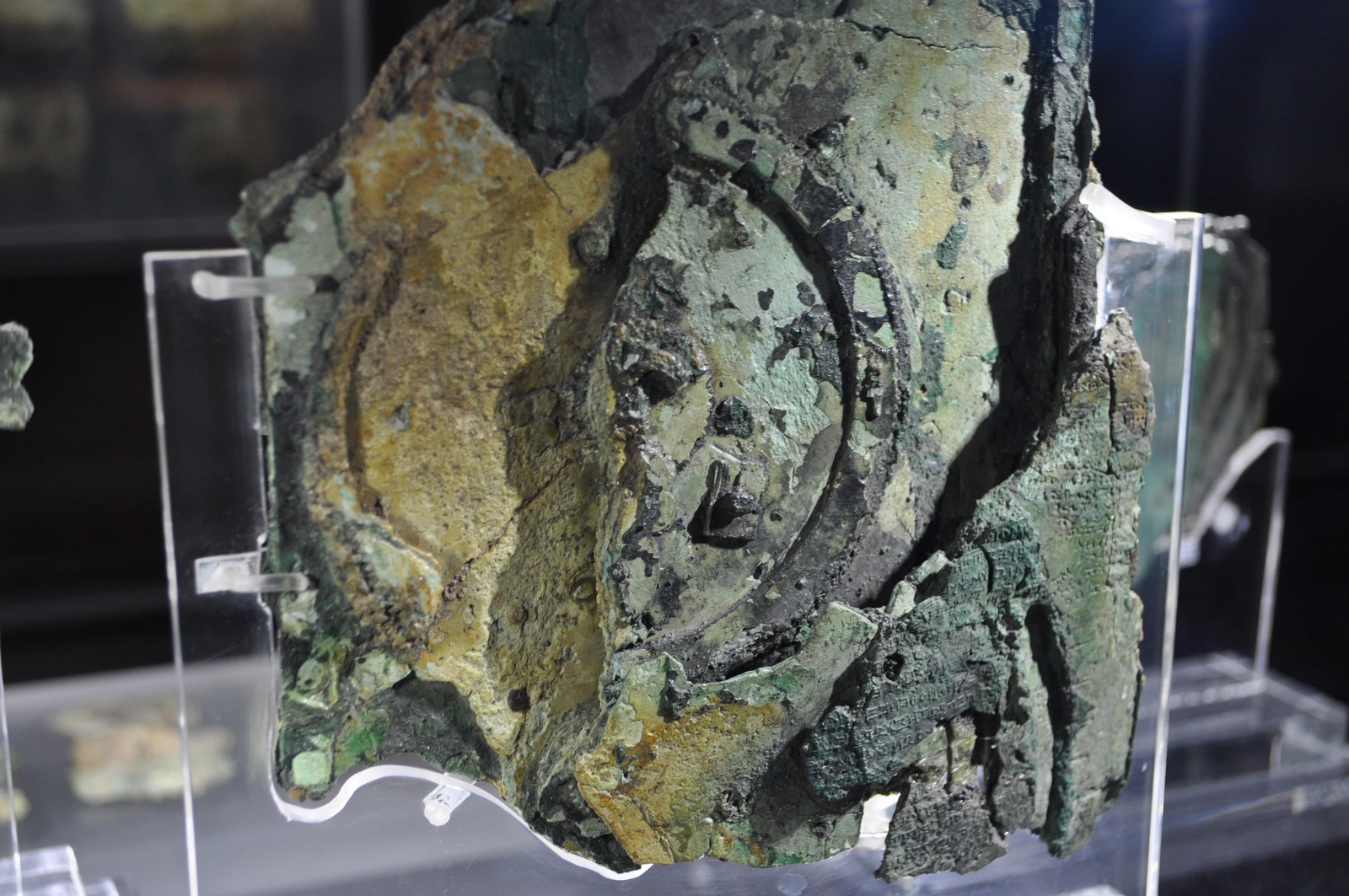
The magnetic compass began in China as a tool for fortune-telling and geomancy, the art of siting houses and tombs in harmony with the land. The first records of Chinese sailors steering by a magnetised needle date from the early 12th century.
Ikigai Daily
The story behind the card
The first Chinese direction-finders were probably “south-pointing spoons” made of lodestone, a naturally magnetic iron ore. Placed on a smooth bronze board marked with directions, the spoon turned until its handle pointed south. Texts from the Han dynasty (206 BC to AD 220) appear to describe such devices, although archaeologists have not yet found one. The big step came under the Song dynasty. In 1088 the scholar Shen Kuo described needles magnetised by rubbing them on lodestone, and noticed that they do not point exactly north-south, the effect now called magnetic declination. A few decades later the writer Zhu Yu recorded that sailors steered by the stars at night and the sun by day, and turned to the south-pointing needle when the sky was overcast. In Europe, the first written mention of a compass dates from about 1190.
Türkçe oku
Manyetik pusula Çin'de fal ve feng şui aracı olarak doğdu; feng şui, evlerin ve mezarların yerini araziyle uyumlu seçme sanatıdır. Çinli denizcilerin mıknatıslı bir iğneyle yön bulduğunu anlatan ilk kayıtlar 12. yüzyılın başlarına aittir.
Çin'deki ilk yön bulucular büyük olasılıkla “güneyi gösteren kaşıklar”dı. Bu kaşıklar, doğal olarak mıknatıslı bir demir cevheri olan mıknatıs taşından yapılırdı. Yönlerin işaretlendiği pürüzsüz bir bronz levhaya konan kaşık, sapı güneyi gösterene kadar dönerdi. Han hanedanı döneminden (MÖ 206–MS 220) kalma metinler böyle araçları anlatıyor gibidir, ama arkeologlar henüz böyle bir kaşık bulamadı. Asıl adım Song hanedanı döneminde atıldı. Bilgin Shen Kuo 1088'de, mıknatıs taşına sürtülerek mıknatıslanan iğneleri anlattı ve bunların tam kuzey-güney yönünü göstermediğini fark etti; bugün buna manyetik sapma deniyor. Birkaç on yıl sonra yazar Zhu Yu, denizcilerin geceleri yıldızlara, gündüzleri güneşe bakarak yol aldığını, hava kapalıyken de güneyi gösteren iğneye başvurduğunu yazdı. Avrupa'da pusuladan söz eden ilk yazılı kayıt 1190 dolaylarına aittir.