The story behind the card
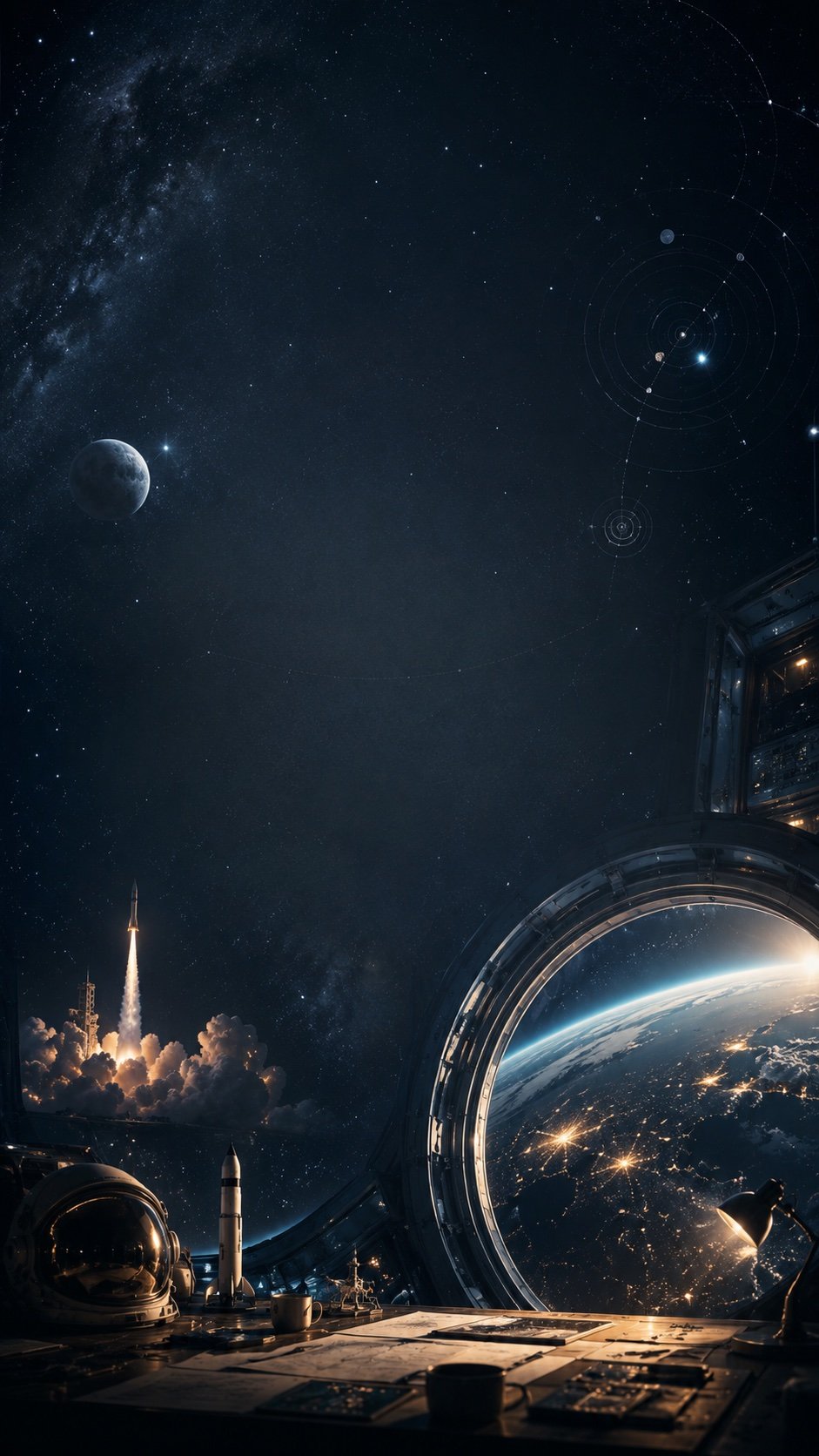
Each record is a 30-centimetre gold-plated copper disc. A committee chaired by the astronomer Carl Sagan spent about a year choosing its contents: spoken greetings in 55 languages, 116 images encoded as sound, natural sounds such as surf, wind, thunder and birdsong, and about 90 minutes of music, from Bach, Beethoven and Stravinsky to Chuck Berry and traditional music from around the world. The cover is engraved with diagrams showing how to play the record and where Earth lies in relation to pulsars. Both probes have now reached interstellar space, the region between the stars. In about 40,000 years, Voyager 1 will pass within 1.6 light-years of another star.
Türkçe oku
NASA'nın 1977'de iki Voyager sondasıyla uzaya gönderdiği Altın Plaklar, onları bir gün bulabilecek olanlara Dünya'dan sesler, görüntüler ve müzik taşıyor.
Her plak, 30 santimetre çapında, altın kaplama bakır bir disktir. Gökbilimci Carl Sagan'ın başkanlığındaki bir kurul içeriği yaklaşık bir yılda seçti: 55 dilde selamlar, sese dönüştürülerek kaydedilmiş 116 görüntü, dalga, rüzgâr, gök gürültüsü ve kuş sesi gibi doğa sesleri, bir de Bach, Beethoven ve Stravinsky'den Chuck Berry'ye, dünyanın dört bir yanından geleneksel ezgilere uzanan yaklaşık 90 dakikalık müzik. Kapağına, plağın nasıl çalınacağını ve Dünya'nın pulsarlara göre nerede olduğunu gösteren çizimler kazınmıştır. İki sonda da artık yıldızlar arasındaki bölgeye, yani yıldızlararası uzaya ulaştı. Voyager 1 yaklaşık 40.000 yıl sonra başka bir yıldızın 1,6 ışık yılı yakınından geçecek.