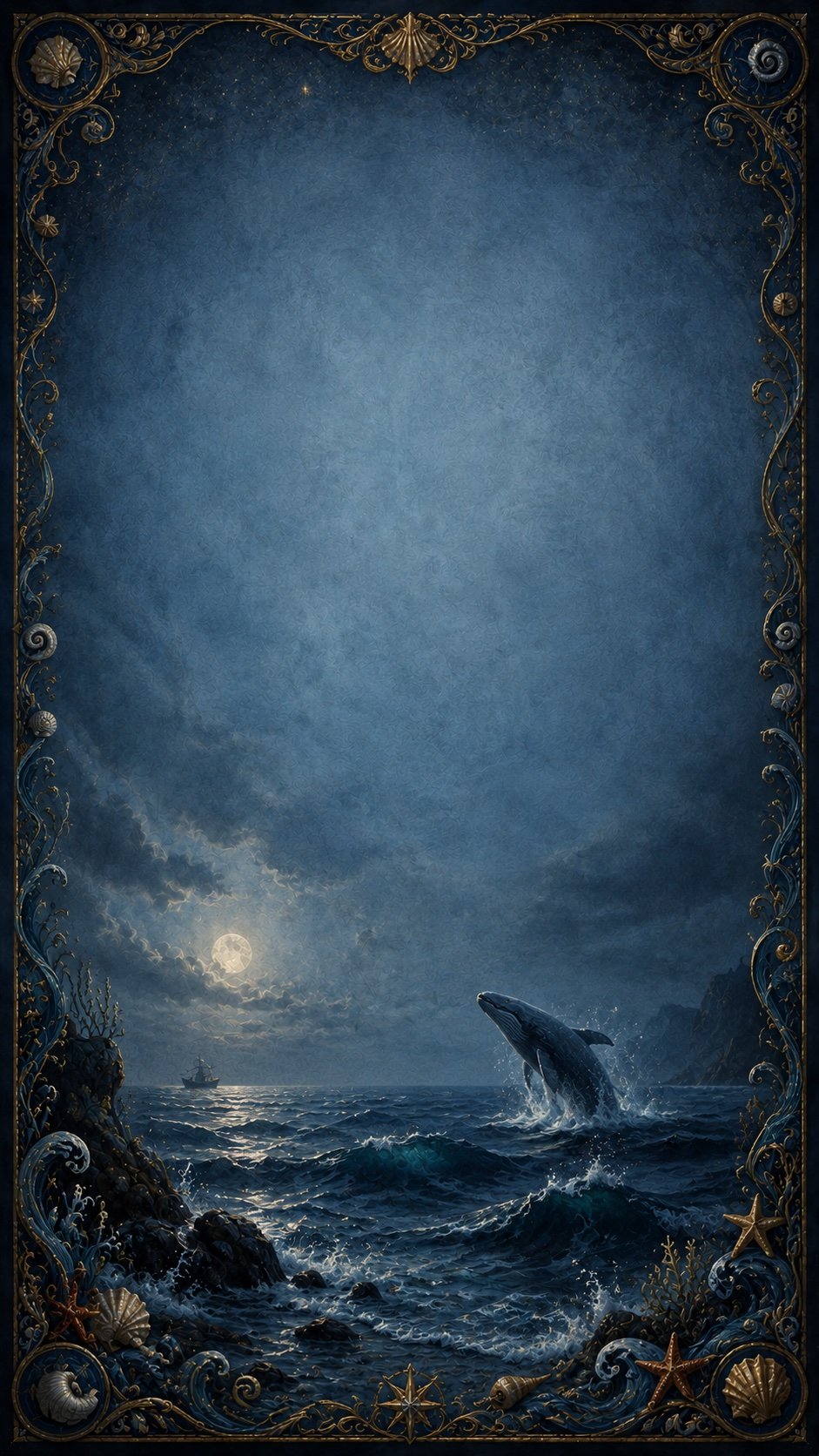
In the deep sea, the majority of animals can produce their own light — surveys suggest around three quarters of them glow.
Marine biology (bioluminescence)
Why it matters
The idea in context
Below about a thousand metres no sunlight reaches, so life makes its own: light to lure prey, to startle predators, to signal a mate, or to vanish by matching the faint glow from above. The largest living space on Earth is not dark and empty but quietly sparkling, in a language written entirely in light.
Türkçe
Aynı kart, başka bir dilde.
Derin denizde hayvanların çoğu kendi ışığını üretebilir — araştırmalar bunların yaklaşık dörtte üçünün ışıdığını gösteriyor.
Yaklaşık bin metrenin altına hiç güneş ışığı ulaşmaz; bu yüzden yaşam kendi ışığını yapar: av çekmek, avcıyı ürkütmek, eş çağırmak ya da yukarıdan gelen soluk parıltıya uyum sağlayıp görünmez olmak için. Dünya'nın en büyük yaşam alanı karanlık ve boş değil; tümüyle ışıkla yazılmış bir dilde sessizce parıldar.
Source trail
Read beyond the card.
Bioluminescence is widespread in the deep sea; MBARI studies estimate ~76% of observed midwater animals are bioluminescent. Widderetal./MBARI.
Background reading: BioluminescenceAttribution and context are revised when stronger evidence appears. Corrections are welcome through the editorial page.