
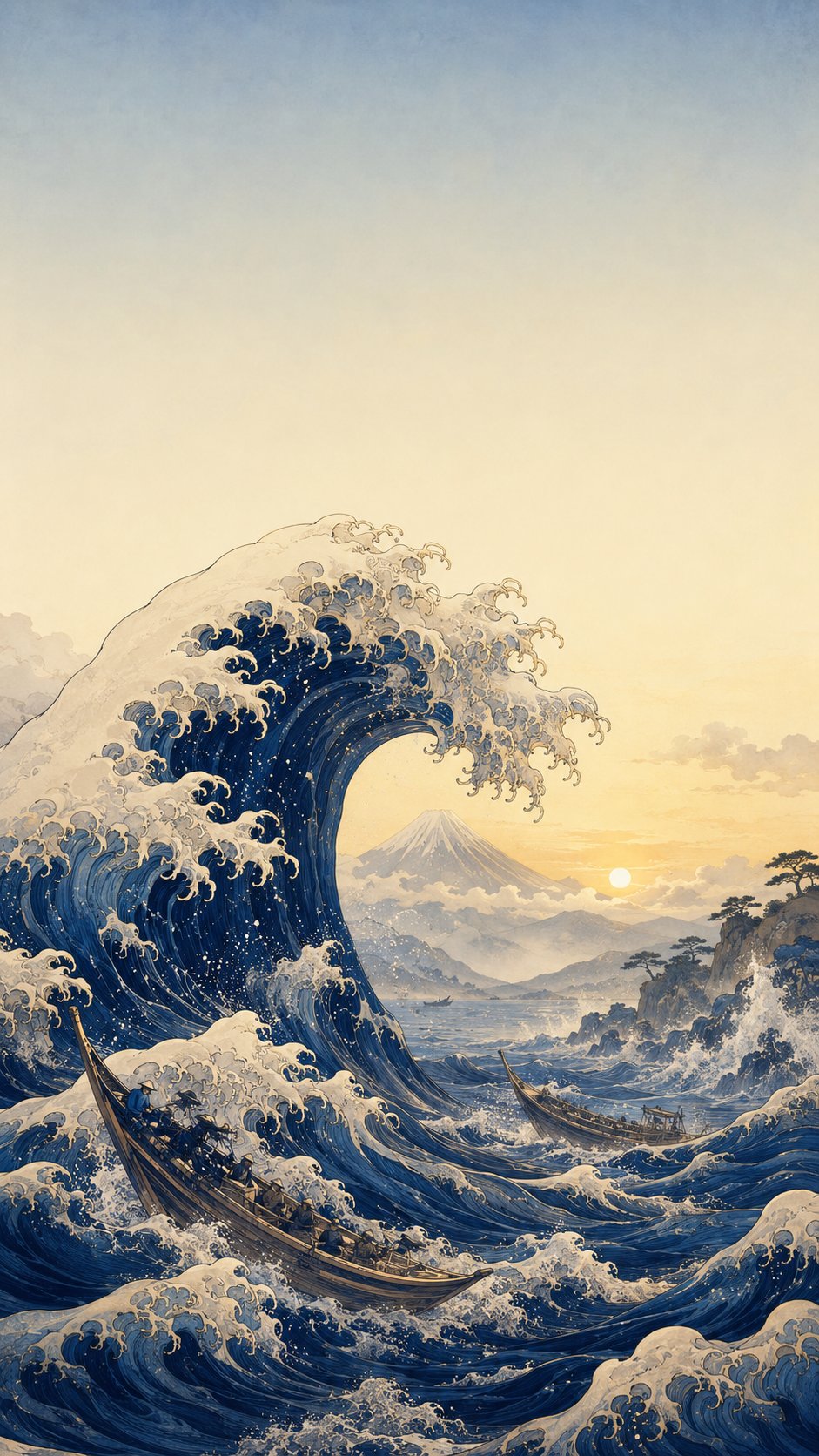
Negative space — the empty area around and between subjects — is not just a gap; it is an active part of composition.
Art technique
Why it matters
The idea in context
Negative space matters in painting, photography, sculpture, architecture and graphic design because it tells the eye where to rest and how to read the subject. Empty space can sharpen a silhouette, create rhythm, add tension or calm the whole image. A strong artist often creates power not by adding more, but by leaving the right amount of room to breathe.
Türkçe
Aynı kart, başka bir dilde.
Negatif alan — öznenin çevresindeki ve aralarındaki boşluk — yalnızca açıklık değil, kompozisyonun aktif bir parçasıdır.
Negatif alan resimde, fotoğrafta, heykelde, mimaride ve grafik tasarımda gözün nerede dinleneceğini, öznenin nasıl okunacağını belirler. Boşluk yalnızca doldurulmamış yer değildir; silueti keskinleştirir, ritim kurar, gerilim yaratır ya da bütün görüntüyü sakinleştirir. Usta bir sanatçı bazen en güçlü etkiyi daha fazla şey ekleyerek değil, doğru yerde nefes alacak alan bırakarak kurar.
Source trail
Read beyond the card.
Composition principles.
Background reading: Negative spaceAttribution and context are revised when stronger evidence appears. Corrections are welcome through the editorial page.