Why it matters
The idea in context
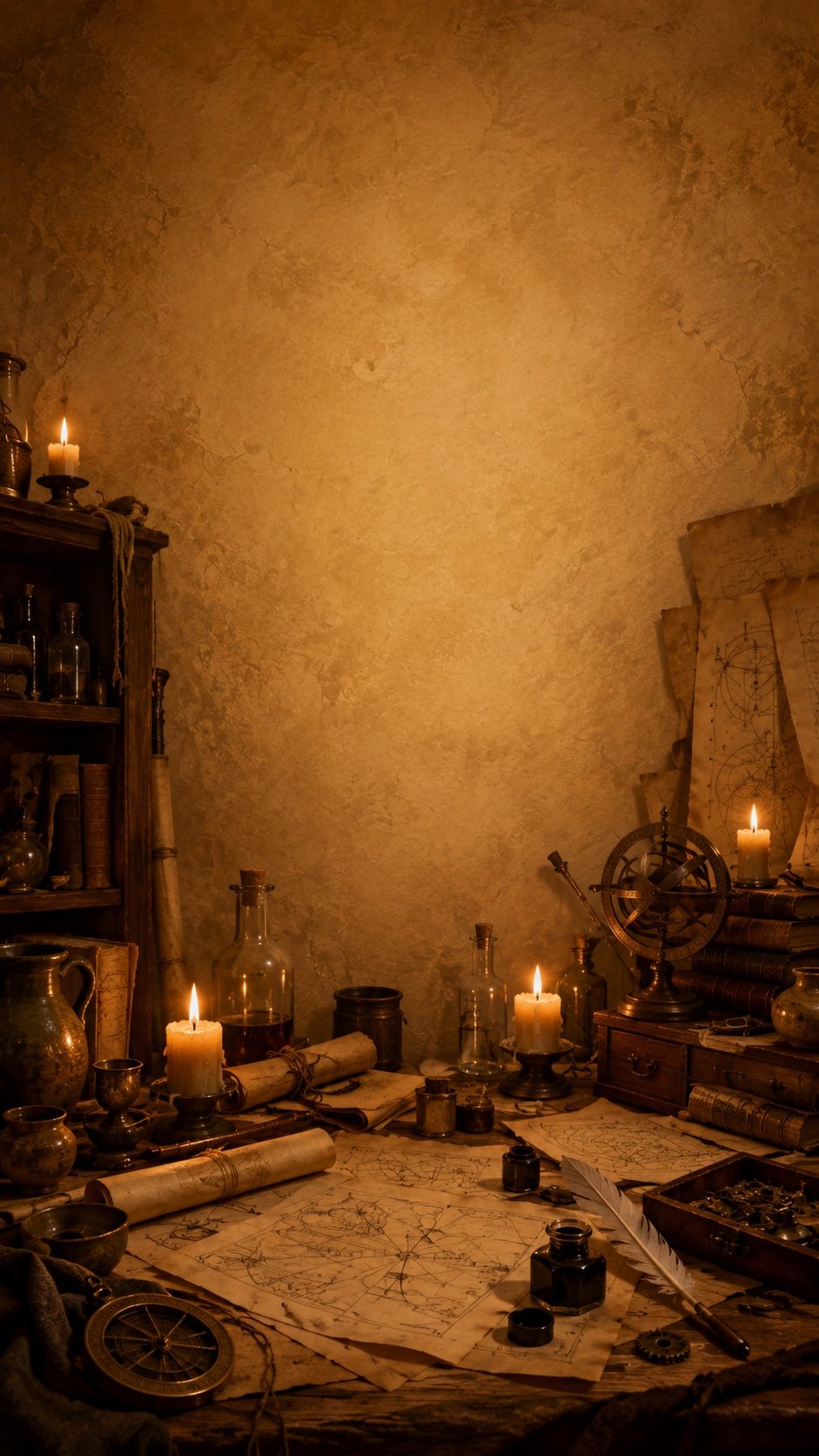
A single elaborate page could take weeks, worked by candlelight with quills and hand-mixed colours, some so intricate they were later said to be 'the work of angels'. Before printing, a book was not reproduced but grown, one radiant page at a time — an object where writing and painting had not yet parted ways.
Türkçe
Aynı kart, başka bir dilde.
Yaklaşık 800 yılında yapılan Kells Kitabı gibi el yazmalarında keşişler, İncil'in harflerini altın varak ve bir kıtayı aşarak getirilen lapis lazuli gibi boyalarla yoğun süsleme düğümlerine çevirdi.
Ayrıntılı tek bir sayfa, tüy kalemler ve elde karılan renklerle mum ışığında haftalar alabilirdi; kimi o kadar ince işlenmişti ki sonradan 'meleklerin işi' dendi. Matbaadan önce bir kitap çoğaltılmaz, ışıltılı sayfalar hâlinde tek tek büyütülürdü — yazı ile resmin henüz ayrılmadığı bir nesne.
Source trail
Read beyond the card.
Book of Kells (c. 800 AD), illuminated Gospel manuscript at Trinity College Dublin; gold leaf and lapis lazuli pigments.
Background reading: Book of KellsAttribution and context are revised when stronger evidence appears. Corrections are welcome through the editorial page.