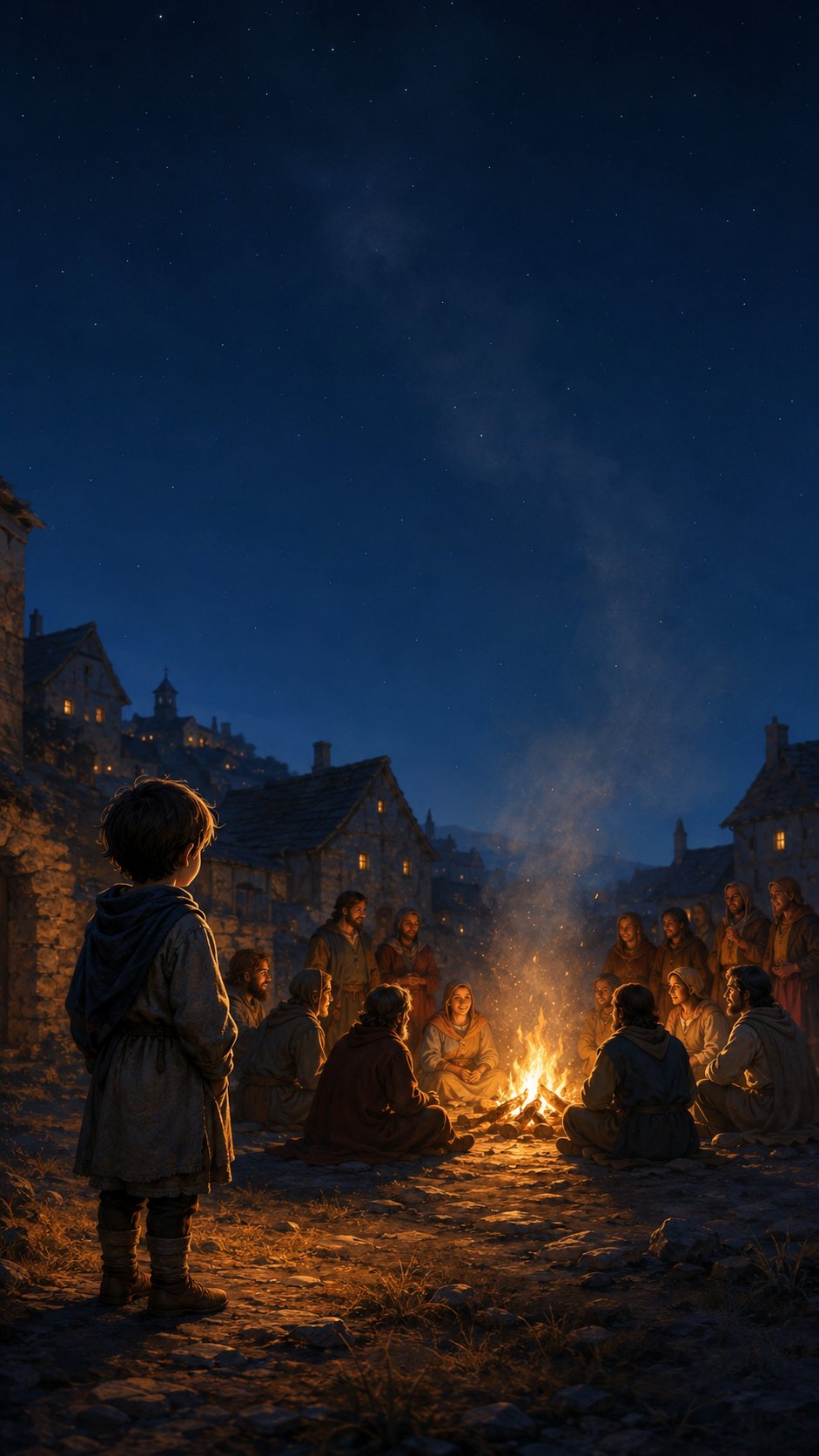
Yūgen points at a depth you feel without being shown — wind moving through a forest you cannot see into, a voice trailing off, the sense that something vast lies just past what is in front of you.
Yūgen (幽玄)
Why it matters
The idea in context
The term came from Chinese philosophical writing and was taken up in medieval Japanese poetry and noh theatre, where it became a central goal: to suggest rather than state. The playwright Zeami described it partly through images — a swan holding a flower in its bill, geese seen through distant clouds. The principle behind it is restraint. What is fully shown is finished; what is half-hidden keeps working on you afterwards. It is a useful idea well outside art, and it explains why the best endings are rarely the ones that explain everything.
Türkçe
Aynı kart, başka bir dilde.
Yūgen, gösterilmeden hissettiğiniz bir derinliği işaret eder — içini göremediğiniz bir ormanda kıpırdayan rüzgâr, sönümlenen bir ses, önünüzdekinin hemen ötesinde uçsuz bir şeyin durduğu duygusu.Yūgen (幽玄)
Terim Çin felsefe yazınından geldi ve ortaçağ Japon şiiri ile no tiyatrosunda benimsenerek merkezî bir amaca dönüştü: Söylemek değil sezdirmek. Oyun yazarı Zeami onu kısmen imgelerle anlattı — gagasında çiçek tutan bir kuğu, uzak bulutların ardından görünen kazlar. Ardındaki ilke ölçülülüktür. Tümüyle gösterilen bitmiştir; yarı gizli kalan sizin üzerinizde çalışmayı sürdürür. Sanatın çok dışında da işe yarar bir fikirdir ve en iyi finallerin neden ender olarak her şeyi açıklayanlar olduğunu anlatır.
Source trail