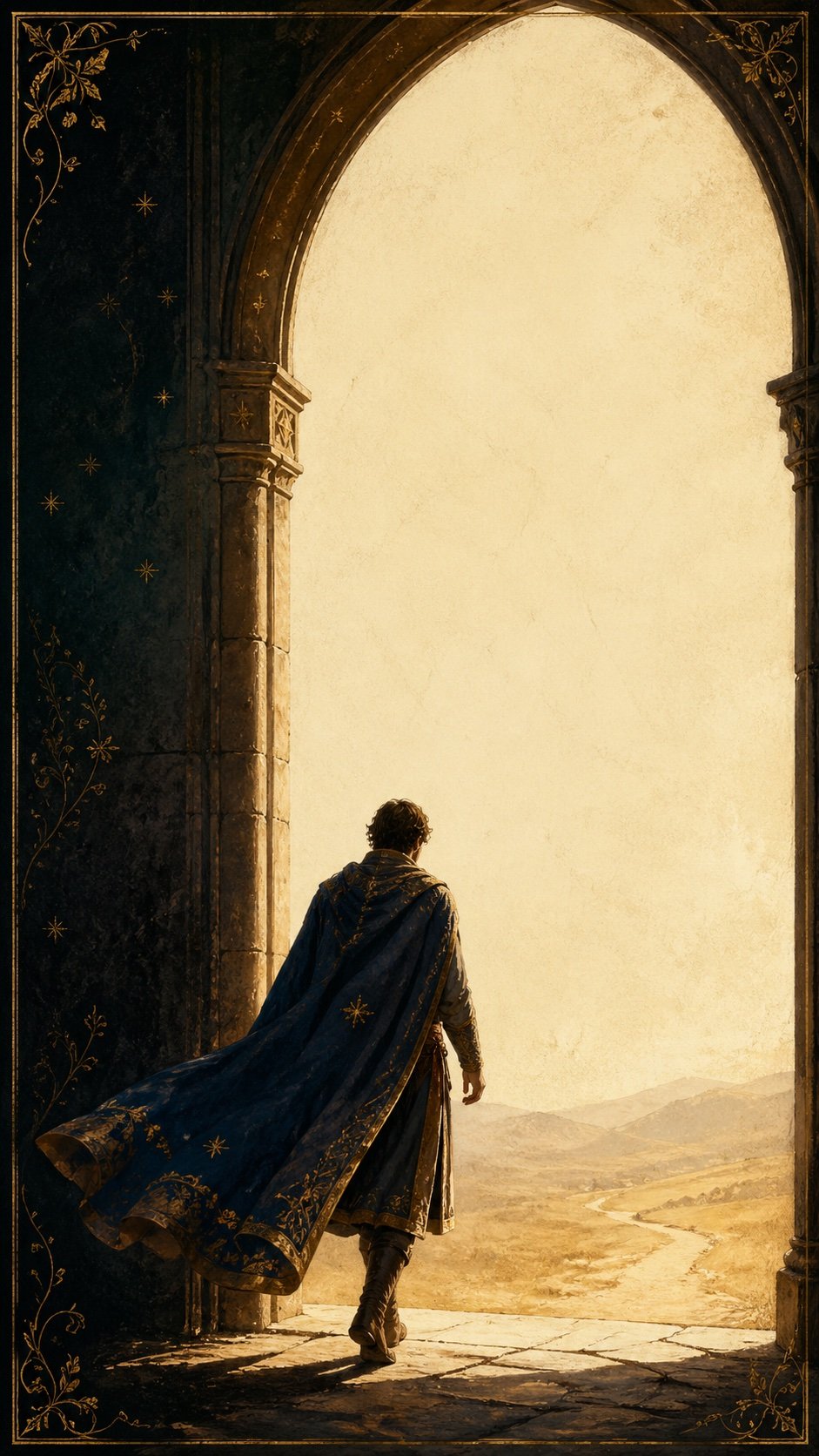
Habits are easier to repeat when the cue is obvious. Put the book, the trainers or the water bottle where you will see it, so you can start before your mood has time to argue.
Practical behavioural design note
The story behind the card
Psychologists describe habits as a loop: a cue, such as a place, a time of day or the sight of an object, sets off a routine, and a reward makes it likelier to happen again. In diary studies from 2002, Wendy Wood's team found that about 43% of what people did each day was habitual, repeated almost daily in the same setting, often while their minds were elsewhere. A visible cue works because the action no longer depends on remembering it, or feeling like it, at the right moment.
Türkçe oku
Bir alışkanlığı sürdürmek, onu hatırlatan işaret göz önündeyse daha kolaydır. Kitabı, spor ayakkabılarını ya da su şişeni öyle bir yere koy ki “canım istemiyor” demeye fırsat bulmadan başlayabilesin.
Psikologlar alışkanlığı bir döngü olarak anlatır: Bir yer, günün belli bir saati ya da bir nesneyi görmek gibi bir işaret bir davranışı başlatır; ardından gelen ödül de o davranışın tekrarlanma olasılığını artırır. Wendy Wood ve ekibinin 2002'de yayımlanan günlük tutma çalışmalarına göre insanların gün içinde yaptıklarının yaklaşık %43'ü alışkanlıktı: Neredeyse her gün aynı ortamda, çoğu zaman akıl başka yerdeyken yapılan işler. Göz önündeki bir işaretin işe yaramasının nedeni de bu: Davranış artık doğru anda hatırlamana ya da canının istemesine bağlı kalmaz.