
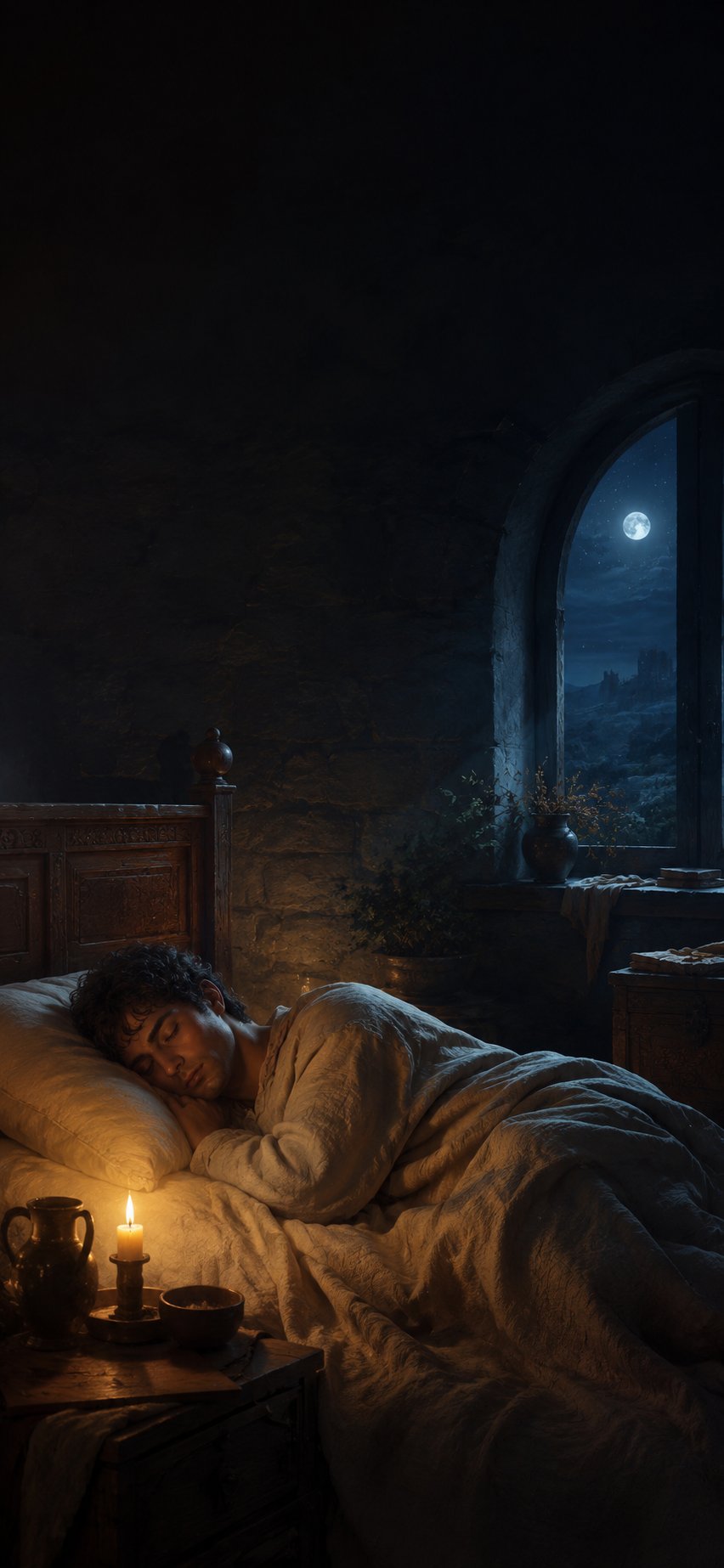
In late 1951, doctoral student Eugene Aserinsky recorded the brain activity and eye movements of his eight-year-old son, Armond, during sleep. The recording showed periods of rapid eye movement and brain activity unlike the quiet sleep he expected. Aserinsky and his supervisor Nathaniel Kleitman published their findings in 1953, linking this stage, now called REM (rapid eye movement) sleep, to dreaming.
Eugene Aserinsky & Nathaniel Kleitman, University of Chicago, 1953
The story behind the card
Aserinsky was a doctoral student with little equipment of his own, so he first tried an old brain-wave (EEG) machine on his son Armond before using it on adult volunteers. REM stands for rapid eye movement: stretches of sleep in which the eyes dart about and brain activity resembles waking, even though the sleeper stays asleep. Aserinsky and Kleitman published the discovery in 1953 in the journal Science, and Kleitman's later student William Dement showed that REM sleep returns in cycles roughly every 90 minutes through the night. The finding turned sleep, until then seen as a single passive state, into an active subject for laboratory research.
Türkçe oku
1951'in sonlarında doktora öğrencisi Eugene Aserinsky, sekiz yaşındaki oğlu Armond uyurken beyin etkinliğini ve göz hareketlerini kaydetti. Kayıtta, beklediği sakin uykunun yerine gözlerin hızla oynadığı, beynin de hareketlendiği dönemler çıktı. Aserinsky ve danışmanı Nathaniel Kleitman bulgularını 1953'te yayımladı ve bugün REM (hızlı göz hareketi) uykusu denen bu evreyi rüya görmeyle ilişkilendirdi.
Aserinsky imkânları kısıtlı bir doktora öğrencisiydi; elindeki eski EEG (beyin dalgası) cihazını yetişkin gönüllülerden önce oğlu Armond'da denedi. REM, İngilizce “rapid eye movement”, yani hızlı göz hareketi sözcüklerinin kısaltmasıdır: uyuyan kişi uyanmadığı hâlde gözlerinin hızla oynadığı ve beyin etkinliğinin uyanıklığı andırdığı evrelerdir. Aserinsky ile Kleitman buluşu 1953'te Science dergisinde yayımladı. Kleitman'ın sonraki öğrencisi William Dement, REM evrelerinin gece boyunca yaklaşık 90 dakikada bir yinelendiğini gösterdi. Bu keşifle, o zamana dek edilgen ve tekdüze bir hâl sanılan uyku, laboratuvarda incelenen canlı bir araştırma alanına dönüştü.