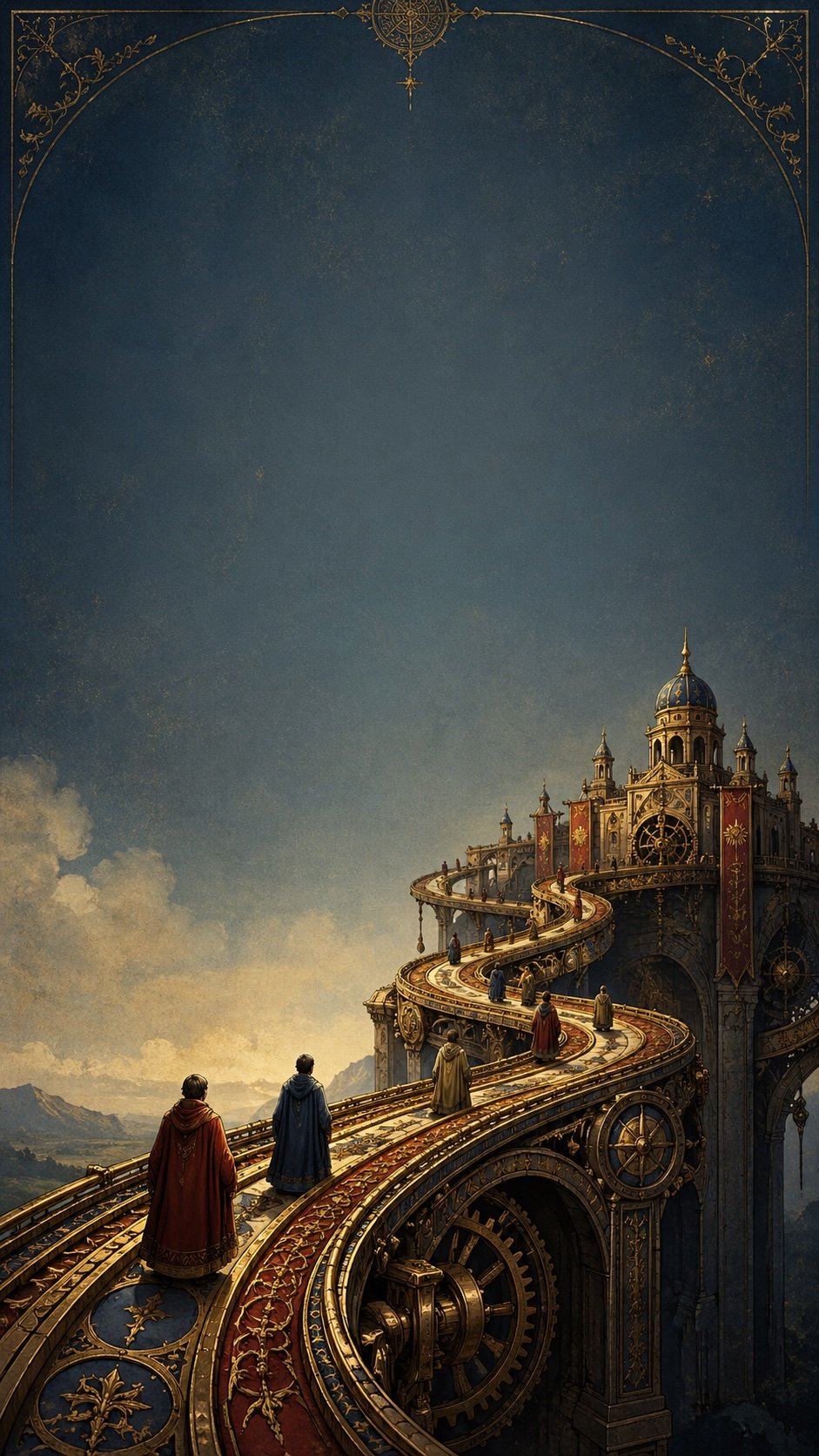

In the 1694 second edition of An Essay Concerning Human Understanding, the English philosopher John Locke imagines a prince's consciousness, with its memories of his past life, entering a cobbler's body. Locke says the result would be the same person as the prince, though in his terms not the same “man”.
John Locke, An Essay Concerning Human Understanding, 2nd ed. (1694)
The story behind the card
Locke added this argument in a new chapter, “Of Identity and Diversity”, in the 1694 second edition of the Essay. He separates the continuing person, held together by consciousness and memory, from the continuing human organism: on his account, the same body and the same person are different questions. The chapter became one of the founding texts of the modern debate on personal identity. Later philosophers built similar thought experiments, such as teleportation or the gradual replacement of a brain, to test the same idea: that what makes you “you” over time might be the continuity of memory and mind rather than of the body.
Türkçe oku
İngiliz filozof John Locke, İnsan Anlığı Üzerine Bir Deneme'nin 1694'teki ikinci baskısında şöyle bir durum düşünür: Bir prensin, geçmiş hayatını hatırlayan bilinci bir kunduracının bedenine geçer. Locke'a göre ortaya çıkan kişi yine prenstir; ama kendi terimleriyle aynı “insan” değildir.
Locke bu tartışmayı, Deneme'nin 1694'teki ikinci baskısına eklediği yeni bir bölümde (“Of Identity and Diversity”) yapar. Bilinç ve bellekle süren “kişi”yi, yaşamını sürdüren insan organizmasından ayırır: Ona göre aynı beden ile aynı kişi ayrı sorulardır. Bu bölüm, kişisel kimlik üzerine bugünkü felsefi tartışmanın kurucu metinlerinden biri oldu. Sonraki filozoflar da ışınlanma ya da beynin parça parça değiştirilmesi gibi düşünce deneyleriyle aynı fikri sınadılar: İnsanı zaman içinde “o kişi” yapan şey bedenin değil, belleğin ve zihnin sürekliliği olabilir mi?