
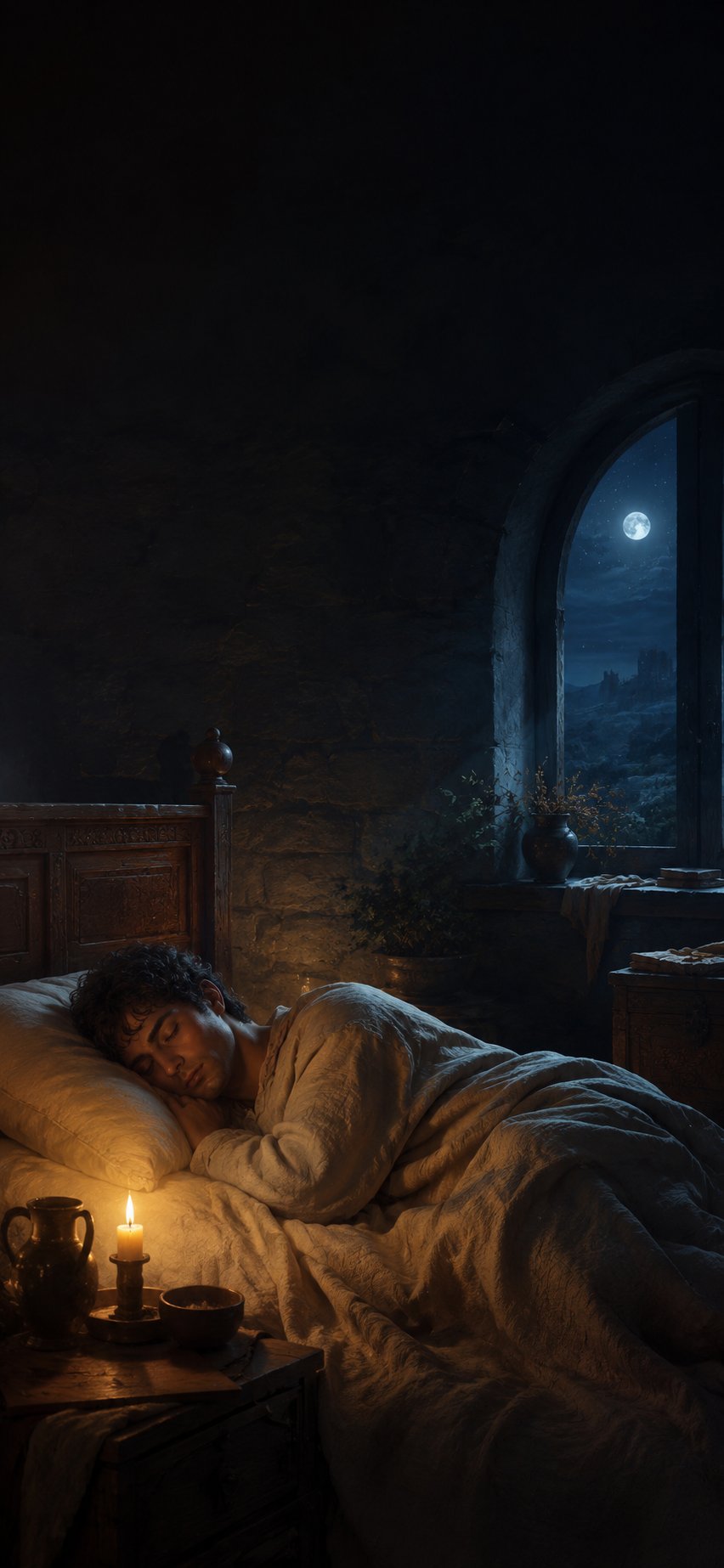
The story behind the card
The term was coined by the Stanford neuroscientist Andrew Huberman, who promoted it on his podcast as a plain-language label for practices such as yoga nidra, “yogic sleep”. Yoga nidra in its modern form was spread in the 1970s by the Indian teacher Satyananda Saraswati; it draws on older yoga as well as Western relaxation methods of the early 20th century. A session asks you to lie still, notice your breath and follow instructions that move attention from one part of the body to the next. Research is still small. A 2002 Danish brain-imaging study found more dopamine, a chemical linked to motivation and reward, released in part of the brain during yoga nidra, and small trials report better sleep and less anxiety. NSDR is not a single clinical method, and no study shows it can replace sleep.
Türkçe oku
NSDR (İngilizce “non-sleep deep rest”, yani uyumadan derin dinlenme), uzanıp uyanık kalarak yapılan rehberli gevşemeye verilen yeni bir addır; genellikle 10-30 dakika sürer. Çoğu, yoga nidra (“yogik uyku”) ile beden taramasına dayanır: Bir ses, dikkati yavaş yavaş bedenin bir bölümünden ötekine taşır.
Terimi Stanford Üniversitesi'nden sinirbilimci Andrew Huberman ortaya attı. Podcast'inde bu adı, yoga nidra gibi uygulamalar için herkesin anlayacağı bir etiket olarak kullandı. Yoga nidranın bugünkü biçimini 1970'lerde Hintli öğretmen Satyananda Saraswati yaydı; yöntem hem eski yoga geleneğinden hem de 20. yüzyıl başındaki Batılı gevşeme tekniklerinden beslenir. Bir seansta kişi hareketsiz uzanır, nefesini fark eder ve dikkatini bedenin bir bölümünden ötekine taşıyan yönergeleri izler. Araştırmalar henüz küçük ölçeklidir. Danimarka'da 2002'de yapılan bir beyin görüntüleme çalışması, yoga nidra sırasında beynin bir bölgesinde dopamin salınımının arttığını buldu; dopamin, motivasyon ve ödül duygusuyla ilişkili bir kimyasaldır. Küçük deneyler de daha iyi uyku ve daha az kaygı bildiriyor. Yine de NSDR tek ve standart bir klinik yöntem değildir ve uykunun yerini tutabildiğini gösteren bir araştırma yoktur.