
 Q0114
Q0114Better to light one candle than curse the darkness.
The candle is small on purpose. The proverb argues for useful action at human scale: when a problem is too large to curse into disappearance, begin with the part you can actually illuminate.
 Ikigai Daily
Open subject
A subject selection connecting proverbs to daily life, history and the wider world.
Related subjects
Cards are connected by subject and reading mode. Continue below or open a related subject.
Q0114The candle is small on purpose. The proverb argues for useful action at human scale: when a problem is too large to curse into disappearance, begin with the part you can actually illuminate.
 Q0115
Q0115A saying often passed down as an Indian proverb. Its point is that age is a matter of outlook, not the calendar: you stay young as long as you keep looking forward. Old age begins the day your regrets about the past grow louder than your dreams for what is still to come.
 Q0116
Q0116As long as you are alive, no situation is beyond hope. From the Latin 'Dum spiro spero'.
Q0119Conforming can make you useful to others but cost your freedom; nonconformity has its own quiet reward.
Q0173Author unknown; versions of this thought appear across many proverb traditions, from Japan's 'fall seven times, stand up eight' to countless folk sayings about getting back up. The distinction is sharp: falling is something that happens; failure begins when the fall is allowed to become a permanent address.
Q0345The garden metaphor gives books a living quality: they hold paths, seasons, surprises, and cultivation. A small object can carry a private landscape of language, memory, and imagination.
 Q0346
Q0346The agricultural image is simple because the moral is simple: outcomes grow from causes. It does not mean life is perfectly fair, but it does remind us that repeated choices plant future conditions.
Q0521Quiet people often have hidden depths. From the Latin 'the deepest rivers flow with least sound'.
Q0522The proverb belongs to the old sea logic of skill: a sailor learns judgement from wind, waves, mistakes, and recovery. Comfort can preserve us, but difficulty often teaches the reflexes we later call character.
Q0524The proverb uses dawn as emotional weather: despair can feel most complete just before conditions change. It is not a promise that every pain ends quickly, but a reason not to mistake the worst moment for the final one.
Q0525The best map is sometimes a person returning from the road. The proverb values lived experience over abstract confidence: ask the one who has already met the turns, costs, and weather ahead.
Q0529Widely attributed to the Buddha, though it appears in no early Buddhist scripture; the wording is modern. It still lands close to genuine Buddhist teaching, which treats the quality of attention on the path as more important than arrival. The Robert Louis Stevenson essay line 'to travel hopefully is a better thing than to arrive' (1881) probably helped shape the modern phrasing.
Q0530The old image is domestic and sharp: an empty pot rings louder than a full one. The proverb criticises noisy certainty and praises the quieter weight that comes with real knowledge or maturity.
Q0531Sharing a problem does not magically erase it, but it changes the load. Naming a trouble with another person can bring perspective, practical help, emotional regulation, and the relief of not carrying it alone.
Q0532We learn far more deeply by doing than by being told. Attributed to Franklin, echoing older Chinese wisdom.
Q1063A small setback can save you from a larger one if you pay attention to the warning.
Q1064An old warning about anxious attention: staring at time can make patience feel impossible.
Q1065The bridge may be real, but you are not on it yet. The proverb is a compact remedy for anticipatory anxiety: conserve attention for the next actual step instead of rehearsing every possible difficulty in advance.
 Q1066
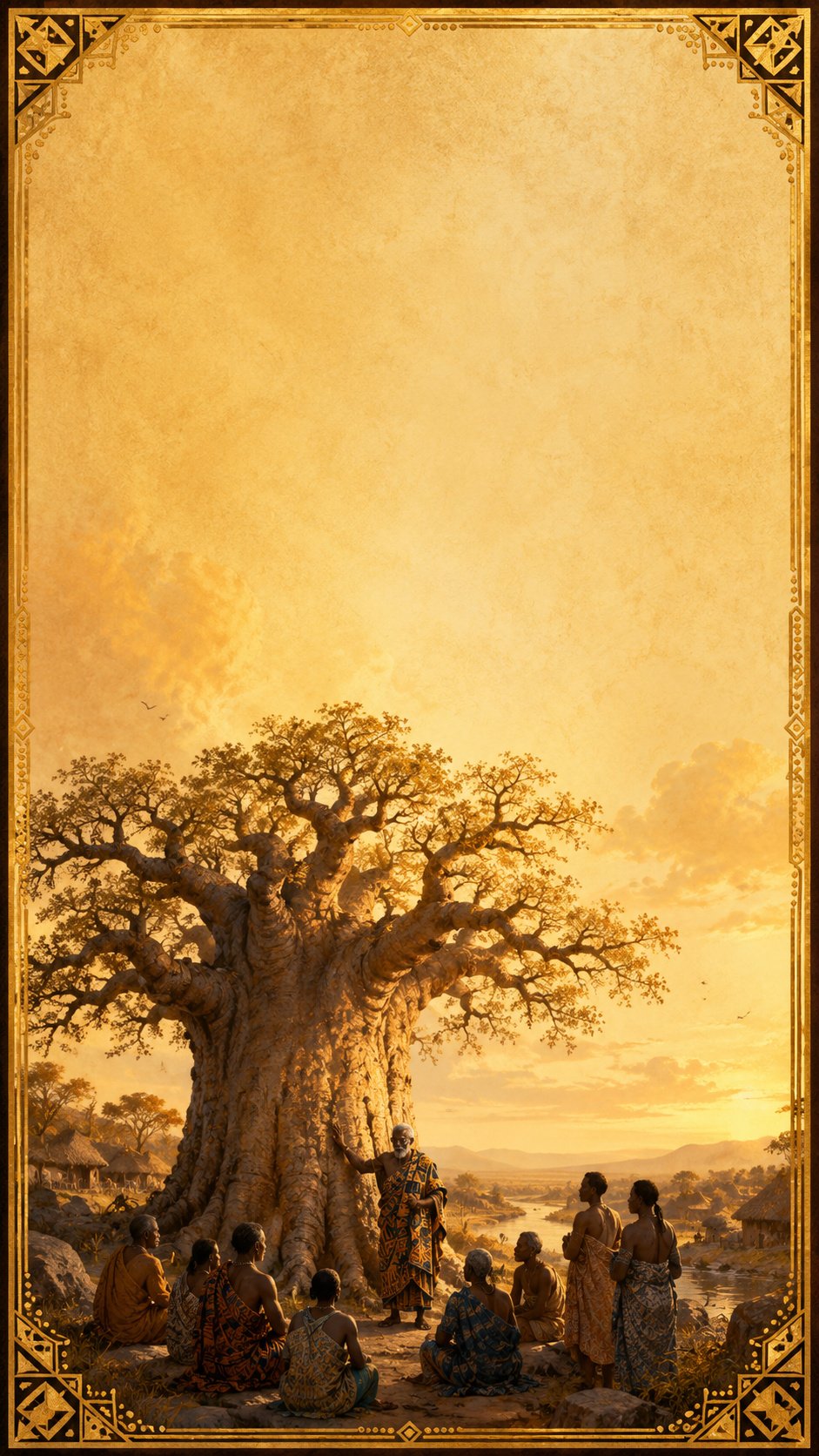
Q1066A genuine East African proverb, best known in Swahili: 'Wapiganapo tembo nyasi huumia' — when elephants fight, the grass gets hurt. It has become a fixture of diplomacy and political commentary, quoted from African parliaments to the UN, because the mechanism never retires: when the powerful collide, the bill is delivered to those underfoot.
 Q1067
Q1067Usually identified as a Shona proverb from Zimbabwe, and quoted across the world's truth-and-reconciliation debates for its surgical asymmetry: harm is an event to the one who causes it and an archive to the one who receives it. Forgiveness work begins with taking that asymmetry seriously — the axe cannot set the schedule for the tree's healing.
Q1068A saying widely shared in the Native American tradition. It captures a hard truth about willful blindness: someone who is genuinely asleep can be woken, but someone only pretending will never stir, however loudly you call. When ignorance is a choice rather than a gap, no amount of proof reaches it.
Q1069Insight does not remove ordinary life. It changes the spirit with which ordinary life is carried.
 Q1070
Q1070A classic Chinese proverb, praising the humble reliability of writing something down. Even the faintest line of ink outlasts the sharpest memory, because memory is alive — and living things drift, blur and quietly rewrite themselves. What you record, you can trust to stay put.
Q1071A saying from the Chinese proverb tradition. Books hold knowledge, but a living, thinking person can do something a book cannot: aim exactly the right question at exactly your situation. One good conversation with someone wise can shortcut weeks of solitary study.